Modern OS Trends 2026: AI-Driven Kernels & Edge Computing Evolution
A deep dive into the emerging operating system trends of 2026, covering AI kernels, edge computing, immutable architectures, and zero-trust security.

Long Nguyen
Fullstack Developer · AI Engineer · Researcher
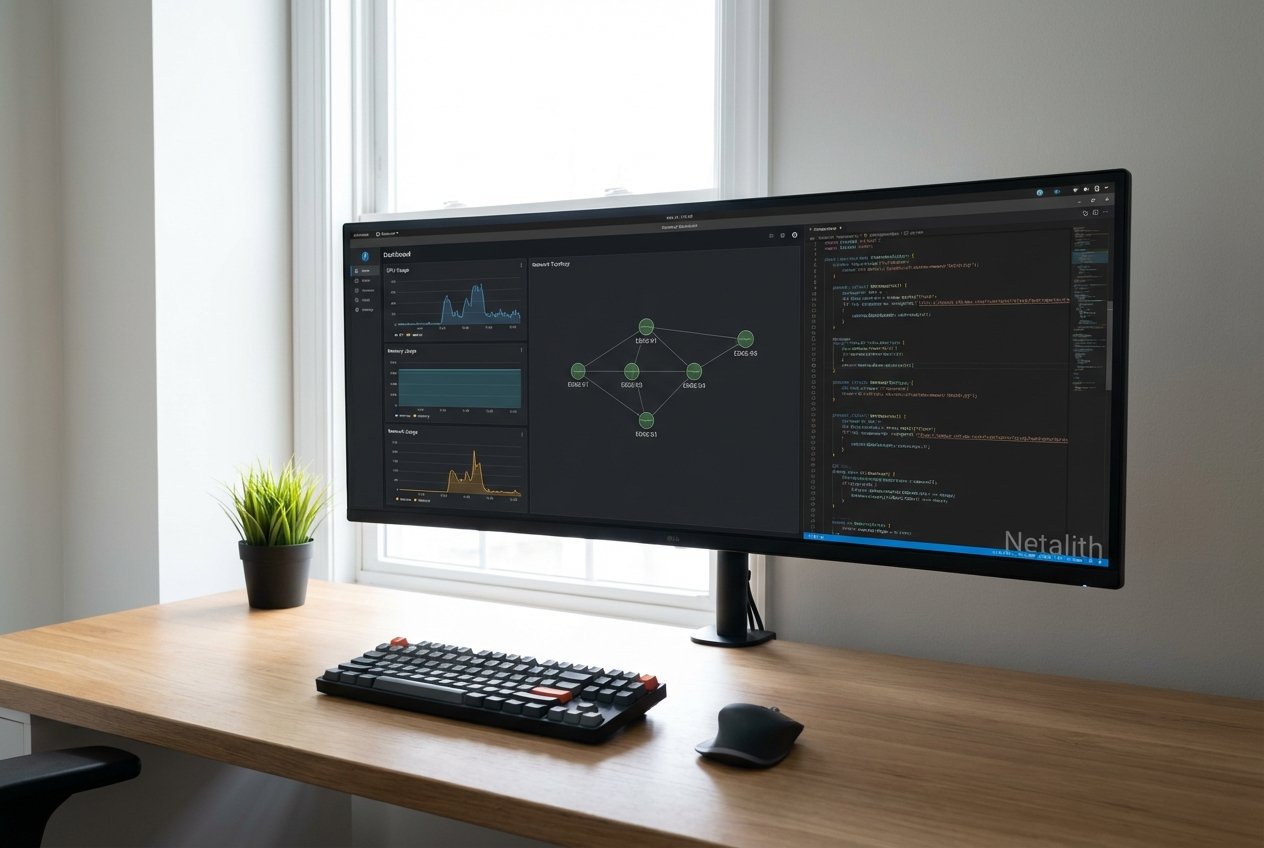
The landscape of computing is shifting rapidly. For beginner IT students, computer science enthusiasts, and aspiring system administrators, understanding the foundational software that manages computer hardware and resources is absolutely critical. We are moving away from traditional, static environments into an era defined by artificial intelligence, highly distributed networks, and impenetrable security models. Exploring modern OS trends 2026 offers a glimpse into a world where operating systems are no longer just passive resource managers, but intelligent, self-healing platforms.
Key Modern OS Trends 2026 and Innovations
Before diving into the complexities of next-gen technology, it helps to revisit a fundamental question: what is an operating system? Traditionally, it is the core software that acts as a bridge between computer hardware and user applications. However, modern operating system trends and innovations for 2026 demonstrate a dramatic evolution in how operating system architecture is structured and deployed.
The future of OS development emphasizes dynamic, distributed, and highly intelligent environments. As we explore the key modern OS trends 2026, you will notice a clear shift from manual administration toward automation. These overarching OS trends are set to redefine both everyday consumer computing and massive enterprise infrastructure.
AI-Driven Kernel Optimization and Autonomous Management
One of the most highly anticipated next-gen OS features is the rise of AI integrated operating systems 2026. Historically, students learning the divide between kernel vs user space are taught that the kernel dictates resource allocation based on rigid, static scheduling algorithms. Today, that paradigm is changing through AI-driven kernel optimization.
With advanced kernel tuning, the operating system learns workload patterns in real-time. Instead of relying on hardcoded rules, the kernel dynamically adjusts CPU priorities, optimizes memory distribution, and streamlines I/O handling based on predictive modeling. This capability paves the way for true autonomous system management, enabling the OS to anticipate performance bottlenecks and self-tune before end-users ever experience a slowdown.
Edge Computing and OS Evolution 2026
The explosive growth of IoT devices and decentralized networks has rapidly accelerated edge computing and OS evolution 2026. Rather than sending all data back to a centralized cloud server, edge devices process critical information locally. This architectural shift demands operating systems that are incredibly lightweight, highly robust, and power-efficient.
This necessity has given birth to the sustainable computing OS. If you were to follow a modern process management tutorial today, you would see that edge operating systems prioritize ultra-low latency and minimal energy consumption. They ensure that essential processes run smoothly on constrained hardware while conserving battery life and reducing thermal output.
Next-Gen OS Features: Cloud-Native and Immutable Architectures
As enterprise infrastructures become more distributed, emerging OS tech is leaning heavily into cloud-native operating systems. Unlike legacy systems that require constant patching and manual configuration, these modern platforms are designed from the ground up to support containerized workloads and scalable microservices.
A pivotal concept within this space is the adoption of immutable OS architectures. In an immutable setup, the core system files cannot be modified after the OS is deployed. If an update is required, the entire OS image is replaced rather than patched in place. This dramatically simplifies memory management basics and reduces the complexities often associated with maintaining various file system types, as the base file system remains read-only, secure, and perfectly consistent across thousands of servers.
The Rise of WebAssembly as an OS Runtime
A major leap forward in the operating system future is the increasing adoption of WebAssembly as an OS runtime. Originally developed to run high-performance applications securely within web browsers, WebAssembly (Wasm) has officially broken out of the browser environment.
By functioning as a universal binary format, it allows applications to run securely and at near-native speeds directly on the operating system. Utilizing WebAssembly as an OS runtime means developers can write code once and run it safely across various hardware architectures. It strips away the heavy overhead of traditional virtualization, creating a highly portable and efficient software ecosystem.
Security Innovations: Micro-VMs and Zero-Trust Architectures
In an era of sophisticated and relentless cyber threats, security must be baked into the very core of the OS. The widespread implementation of zero-trust OS security is a defining characteristic of modern platforms. In this model, no application, user, or process is trusted by default—regardless of whether it originates inside or outside the network.
To enforce this strict security posture, engineers are actively leveraging micro-VMs in OS design. Micro-Virtual Machines isolate individual processes or containers in their own minimal, hardware-backed environments. This offers unparalleled security without the heavy resource cost associated with traditional virtual machines. Looking slightly further ahead, early quantum operating system developments 2026 are laying the groundwork for quantum-resistant cryptography, ensuring that these OS architectures remain impenetrable as quantum computing power scales up.
Preparing for the Next Generation of Operating Systems
The computing landscape is evolving swiftly. Staying informed about modern OS trends 2026 is crucial for anyone looking to build a successful career in IT, software development, or system administration. From AI-driven kernels and edge-optimized architectures to immutable setups and zero-trust security models, the operating systems of tomorrow will be smarter, safer, and more resilient than ever before.
Frequently Asked Questions
-
What are the top modern OS trends expected in 2026?
The top trends include AI-integrated kernels, the shift toward edge computing OS models, cloud-native and immutable architectures, zero-trust security, and the use of WebAssembly as an OS runtime. -
How is AI-driven kernel optimization changing operating systems?
It allows the OS to use machine learning to dynamically manage CPU, memory, and I/O resources in real-time, leading to autonomous system management and fewer performance bottlenecks. -
What is an immutable OS architecture?
An immutable OS is a system where the core files cannot be changed once deployed. Updates are applied by replacing the entire operating system image, which greatly enhances security and stability. -
How does edge computing impact OS evolution?
Edge computing requires operating systems to be highly lightweight and power-efficient to process data locally on constrained devices, driving the development of sustainable computing operating systems.
Ready to stay ahead of the curve? Subscribe to the Netalith newsletter today for the latest insights, tutorials, and deep dives into IT infrastructure and the cutting-edge computing trends shaping our digital future. In summary, a strong modern OS trends 2026 strategy should stay useful long after publication.