Amazon FBA vs FBM 2026: The Ultimate Fulfillment Comparison for Sellers
A comprehensive guide comparing Amazon FBA vs FBM in 2026, covering shipping costs, Prime eligibility, and hybrid fulfillment strategies for sellers.

Long Nguyen
Fullstack Developer · AI Engineer · Researcher
Introduction to Amazon Fulfillment Options in 2026
In the rapidly evolving world of digital commerce, selecting the right logistical infrastructure is one of the most critical decisions an online retailer can make. If you are launching or scaling a brand this year, understanding the nuances of Amazon FBA vs FBM 2026 is absolutely paramount. An effective logistics strategy dictates your overhead, delivery speed, and overall customer satisfaction. By diving into a comprehensive Amazon fulfillment model guide, sellers can accurately weigh the pros and cons of the available Amazon fulfillment options.
The eternal debate of FBA vs FBM revolves around a simple question: Do you want to outsource your operations, or do you prefer to keep fulfillment in-house? Throughout this article, we will dissect the Amazon fulfillment model guide landscape to help aspiring entrepreneurs and seasoned digital commerce professionals make a data-driven, profitable choice.
Understanding Amazon FBA (Fulfillment by Amazon)
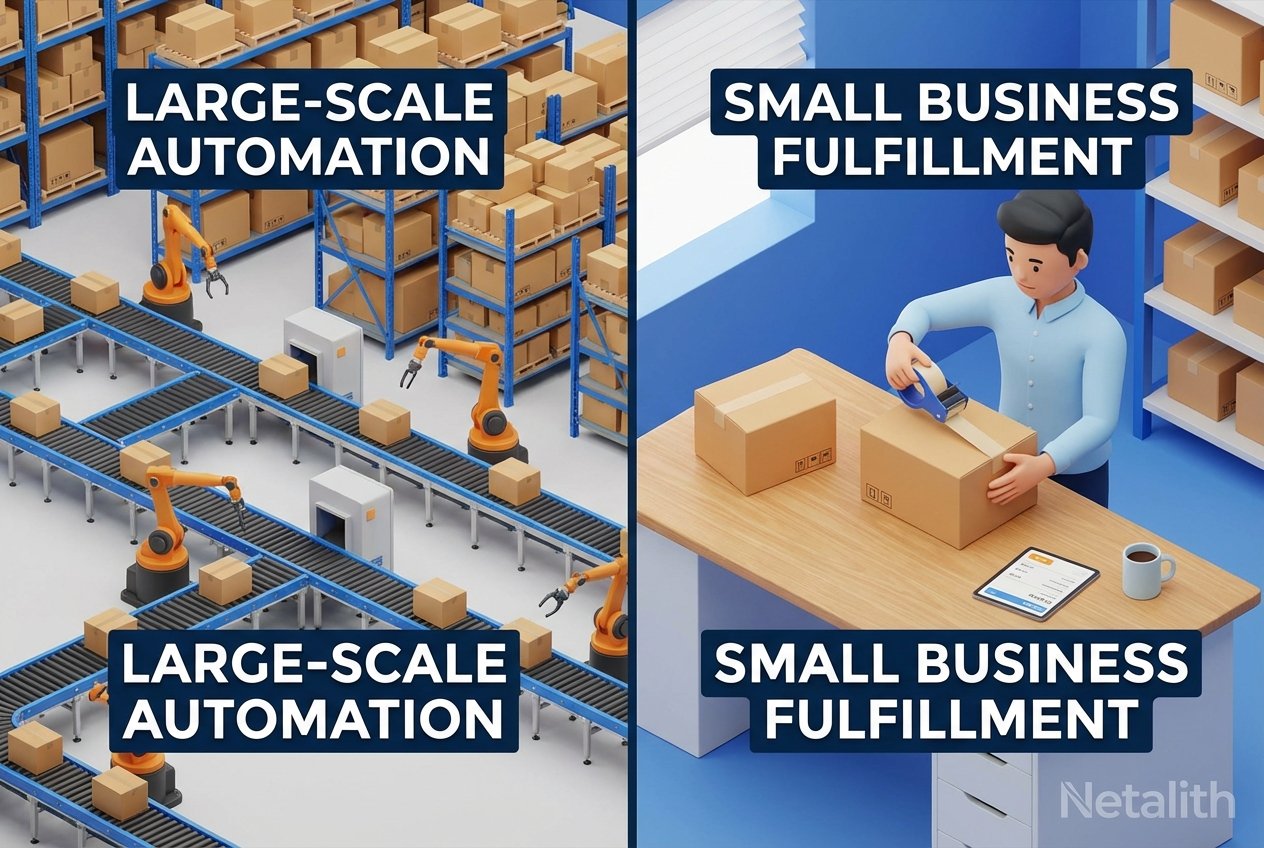
Fulfillment by Amazon (FBA) remains a cornerstone of third-party selling. In this model, sellers send their inventory to Amazon's massive network of fulfillment centers. Amazon subsequently stores, picks, packs, and ships the products directly to the customer. They also handle customer service and returns for those specific orders.
As detailed in any comprehensive Amazon Seller Central guide 2026, FBA is practically a prerequisite for easily obtaining the coveted Prime badge. This makes it an ideal route for those consuming an Amazon FBA tutorial for beginners. Furthermore, FBA provides massive leverage if you are researching how to sell on Amazon globally, as Amazon’s international fulfillment networks seamlessly distribute products across borders without requiring you to build independent infrastructure.
Understanding Amazon FBM (Fulfillment by Merchant)
Fulfillment by Merchant (FBM) puts the logistical responsibility entirely in the hands of the seller. With FBM, you store your own inventory, package your own orders, and orchestrate the shipping to the end consumer. You also retain control over customer service and return processing.
While FBM requires more hands-on management, modern sellers can integrate e-commerce automation tools and Amazon cloud integration for sellers to streamline the process. Utilizing software to manage warehouse routing ensures that FBM can be nearly as efficient as FBA. Many merchants who utilize AI-driven product research 2026 to find oversized, heavy, or slow-moving goods find that the FBM model protects their profit margins far better than Amazon's warehousing fees.
Amazon FBA vs FBM 2026: The Ultimate Comparison
When conducting a thorough Amazon FBA vs FBM comparison for 2026 business owners, the decision ultimately hinges on the balance between control and convenience. The Amazon fulfillment model guide dynamic is fundamentally shaped by how businesses want to allocate their resources. To fully grasp this Amazon logistics comparison 2026, we must break down the key differences in costs, visibility, and operational demands.
Shipping Costs and Fee Structures
When executing a shipping cost comparison e-commerce merchants must account for both overt and hidden fees. Amazon shipping methods vary drastically depending on the program. With FBA, sellers are charged fulfillment fees based on the size and weight of the item, alongside monthly storage fees. One of the most debated topics this year is calculating the FBA inbound placement fee vs FBM shipping costs. FBA inbound placement fees can eat into margins if inventory isn't routed efficiently, whereas FBM sellers pay direct carrier rates but avoid Amazon's storage and placement surcharges.
Buy Box Eligibility & The Prime Badge
Securing the Buy Box is the holy grail of Amazon sales. Any reliable Fulfillment by Amazon vs Merchant guide will highlight that FBA sellers naturally enjoy an algorithmic advantage for Buy Box placement because Amazon guarantees fulfillment speed. However, achieving Buy Box eligibility for FBM sellers is entirely possible. It requires maintaining flawless seller metrics, swift handling times, and excellent customer service. To match FBA’s visibility, FBM sellers often turn to specific prime programs, which brings us to the need for a thorough Prime badge eligibility tutorial 2026.
When to Choose Merchant Fulfilled Over FBA in 2026
Deciding when to choose Merchant Fulfilled over FBA in 2026 requires an honest look at your catalog and capabilities. You should strongly consider FBM if you sell items that are exceptionally large, heavy, or require special handling (such as hazardous materials). FBM is also superior for products with slow turnover rates, as FBA's long-term storage fees can quickly erode profits.
Furthermore, evaluating third-party logistics vs Amazon FBA can reveal that partnering with an independent 3PL offers better rate negotiations and greater Amazon fulfillment flexibility 2026. This flexibility allows merchants to brand their packaging and include custom marketing inserts—practices that are strictly prohibited under the traditional FBA model.
Exploring Seller Fulfilled Prime (SFP)
If you want the visibility of FBA but the control of FBM, Seller Fulfilled Prime (SFP) is the bridge. Going through a Seller Fulfilled Prime vs FBA tutorial 2026 shows that SFP allows you to display the Prime badge on your listings while fulfilling orders from your own warehouse.
However, the program is rigorous. You must strictly adhere to the SFP eligibility requirements 2026 guide, which mandates weekend shipping, utilizing approved carriers, and maintaining a near-perfect on-time delivery metric. SFP acts as an advanced Prime badge eligibility tutorial 2026 for seasoned sellers who have already mastered their internal logistics and wish to bypass FBA warehouse limitations.
Leveraging a Hybrid Fulfillment Strategy
You don't necessarily have to choose just one path. According to any top-tier hybrid fulfillment strategy for Amazon sellers guide, splitting your inventory between FBA and FBM can maximize efficiency. A hybrid approach ensures maximum Amazon fulfillment flexibility 2026.
For example, a seller might use FBA for their fast-moving, lightweight bestsellers to guarantee Prime delivery and dominate the Buy Box. Simultaneously, they can use FBM for oversized items, variations with lower sales velocity, or as a backup when FBA inventory limits are reached. This strategy perfectly complements an Amazon Multi-Channel Fulfillment guide, allowing sellers to fulfill orders from their own websites using Amazon's network while retaining FBM stock for unique marketplace demands.
Frequently Asked Questions (FAQ)
What is the main difference between Amazon FBA and FBM in 2026?
The main difference lies in who handles the storage, packing, shipping, and customer service. With FBA, Amazon manages the entire fulfillment process from their warehouses. With FBM, the seller is entirely responsible for storing inventory and shipping orders directly to the customer. This comparison remains central to the Amazon FBA vs FBM 2026 decision-making process.
Can FBM sellers get the Prime badge?
Yes. FBM sellers can earn the Prime badge by applying for and maintaining the stringent requirements of the Seller Fulfilled Prime (SFP) program. This requires exceptional delivery speeds and excellent account health metrics, as outlined in the latest Prime badge eligibility tutorial 2026.
How do FBA inbound placement fees compare to FBM shipping costs?
FBA inbound placement fees are charged when routing inventory to specific Amazon fulfillment centers to optimize their network. FBM avoids these placement and long-term storage fees entirely, allowing you to pay direct carrier rates. Depending on item size and carrier negotiations, FBM shipping can be more cost-effective for niche or bulky items.
Conclusion: Choosing Your Path for Amazon FBA vs FBM 2026
Selecting the right logistical partner is no longer just about moving boxes—it is about protecting your margins and brand reputation. When comparing Amazon FBA vs FBM 2026, consider your product dimensions, sales velocity, and the level of control you require over the customer experience. While FBA offers unmatched convenience and Prime visibility, FBM and SFP provide the flexibility and cost-control necessary for diverse product catalogs. By implementing a data-driven fulfillment strategy, you can ensure your Amazon business remains competitive and profitable in the years to come.