The Definitive Shopify SEO Guide: How to Rank Your Store on Page One
The ultimate Shopify SEO guide to help e-commerce stores rank on the first page of Google through technical audits, keyword research, and on-page optimization.

Long Nguyen
Fullstack Developer · AI Engineer · Researcher
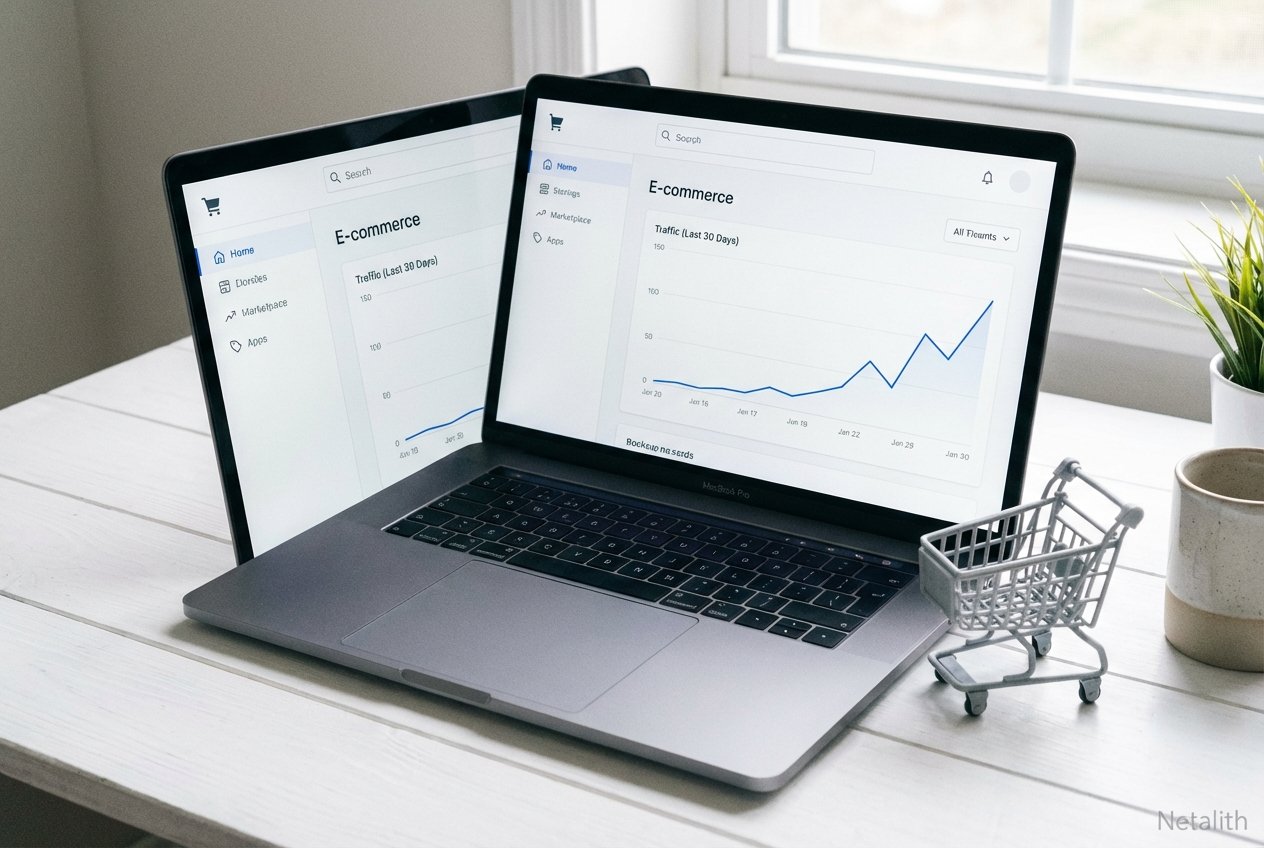
Welcome to the ultimate Shopify SEO guide. If you are an aspiring entrepreneur, a small business owner, or a tech-focused retailer leveraging cloud-based e-commerce solutions, you already know that launching a beautiful digital storefront is only half the battle. To generate consistent sales without burning through a massive advertising budget, you need visibility. Securing top placements in search engines is the key to scalable, long-term growth. This guide explains Shopify SEO guide 2026 in practical, evergreen terms.
In this comprehensive Shopify SEO guide, we will walk you through a proven, step-by-step methodology to transform your storefront into a traffic-generating powerhouse. From foundational keyword strategies to complex technical audits, this tutorial provides everything you need to optimize your store and rank on the first page of Google. For teams evaluating Shopify SEO guide 2026, this section provides the core context.
Shopify SEO guide 2026: Why You Need This Shopify SEO Guide
The e-commerce landscape is more competitive than ever. Standing out requires a modern, data-driven approach. This Shopify SEO guide is designed to cut through the noise and provide actionable Shopify SEO help that directly translates to revenue. Unlike a generic Shopify search engine guide, we are focusing strictly on the mechanics that move the needle for modern stores.
Acquiring organic search traffic for e-commerce is one of the highest-ROI investments you can make. While paid advertising delivers immediate, temporary results, organic rankings provide sustainable, compounding returns. By mastering the techniques in this Shopify SEO guide, you will reduce customer acquisition costs, build brand authority, and capture shoppers precisely when they are searching for your products.
"Organic search is the backbone of profitable e-commerce. A well-optimized Shopify store acts as an unstoppable, 24/7 sales representative that never requires an ad budget refresh."
Step 1: E-commerce Keyword Research for Your Store
The foundation of any successful strategy to rank Shopify store platforms starts with intent-driven data. Conducting proper keyword research for online stores goes far beyond finding terms with high search volume. Your primary goal is to target commercial and transactional search intent—the specific phrases users type when they are ready with credit card in hand.
When focusing on e-commerce search optimization, categorize your keywords into three buckets: navigational, informational, and transactional. To ensure you are successfully ranking Shopify product pages on Google Search, dedicate the bulk of your product page optimization to long-tail, transactional terms (e.g., "buy stainless steel pour-over coffee maker" instead of just "coffee maker").
- Analyze Competitor Gaps: Identify keywords your competitors are ranking for, but where their content is thin or outdated.
- Leverage Auto-Suggest: Use Google's auto-complete features to find long-tail variations that reflect actual consumer queries.
- Map Keywords to URLs: Assign a unique primary keyword to each product and collection page to avoid keyword cannibalization.
By mapping out a precise keyword architecture, you set the stage for every other tactic in this Shopify SEO guide.
Step 2: Master On-Page Optimization for Shopify
If you want to know how to optimize Shopify store SEO, you must master the art of contextual relevance. On-page optimization for Shopify involves refining the visible content and the HTML source code of your pages. Google needs to understand exactly what you are selling, its variations, and its value to the consumer.
Start with your collection and product pages. Ensure your target keyword naturally appears in the URL, the title tag, the main product description, and naturally woven throughout the page content. Avoid manufacturer-provided descriptions; write unique, compelling copy that addresses customer pain points.
Meta Descriptions and Image Alt Text
Effective meta description optimization Shopify tactics require a delicate balance of keyword inclusion and sales psychology. While meta descriptions do not directly influence rankings, they heavily impact click-through rates (CTR). A higher CTR signals to Google that your result is highly relevant. Keep descriptions under 155 characters, include your target keyword, and end with a strong call-to-action like "Shop now" or "Get free shipping."
Equally important is crafting perfect image alt text for e-commerce SEO. Search engine crawlers cannot "see" your product photos. Alt text translates visual data into readable text for search engines and visually impaired users. Be descriptive and naturally integrate your keywords. For example, instead of "shoe-pic-1," use "men's black leather waterproof hiking boot."
Step 3: Conducting a Shopify Technical SEO Audit
A beautiful store with great content will still fail if search engines cannot crawl or index it properly. Performing a Shopify technical SEO audit ensures the backend infrastructure of your website is flawless. Technical SEO forms the structural integrity of your online store.
During your technical audit, focus on identifying 404 errors, ensuring your XML sitemap is submitted via Google Search Console, and fixing any broken internal links. Because Shopify is a hosted platform, you don't have to worry about server maintenance, but you must oversee site architecture and app bloat.
Site Speed and Schema Markup
One of the most critical ranking factors today is performance. Shopify site speed optimization involves compressing heavy product images, lazy-loading off-screen visual assets, and ruthlessly deleting third-party Shopify apps that you no longer use. Leftover app code can severely drag down your Core Web Vitals scores.
Furthermore, implementing structured data is non-negotiable. Schema markup for Shopify products allows you to feed search engines specific details like price, availability, and customer ratings. This data generates "rich snippets" in search results, dramatically improving visibility and CTR.
{
  "@context": "https://schema.org/",
  "@type": "Product",
  "name": "Professional E-commerce Setup Kit",
  "image": "product-image-url",
  "description": "A comprehensive kit for starting your digital storefront.",
  "brand": {
    "@type": "Brand",
    "name": "Netalith"
  },
  "offers": {
    "@type": "Offer",
    "url": "your-product-url",
    "priceCurrency": "USD",
    "price": "99.00",
    "availability": "https://schema.org/InStock"
  }
}
Step 4: Execute Your E-Commerce Content Marketing Strategy
Product pages alone rarely capture shoppers who are in the "awareness" or "research" phases of the buying cycle. That is where an e-commerce content marketing strategy steps in. A well-maintained Shopify blog serves as a massive traffic generation engine.
Consider this section a Shopify organic growth tutorial: Create comprehensive buyer’s guides, "how-to" articles, and product comparison posts that answer your target audience's most pressing questions. When optimizing Shopify for Google, internally link these informational blog posts directly to your transactional product pages. This passes SEO authority from high-traffic blog posts directly to the pages that generate revenue.
Final Thoughts: Your Shopify SEO Checklist for Ranking
Mastering the principles laid out in this Shopify SEO guide is an ongoing process. E-commerce success isn't built overnight, but by consistently applying this Shopify SEO checklist for ranking, you ensure your store remains visible and competitive. From technical hygiene to high-quality content, every optimization you make contributes to your organic search traffic for e-commerce growth. Start with the basics, monitor your performance in Google Search Console, and keep refining your approach to stay ahead of the competition. In summary, a strong Shopify SEO guide 2026 strategy should stay useful long after publication.