Chaos Engineering: A Comprehensive Guide to Testing System Resilience
Learn how chaos engineering proactively tests system resilience through controlled failure injection, ensuring high availability and robust cloud-native performance.

Long Nguyen
Fullstack Developer · AI Engineer · Researcher
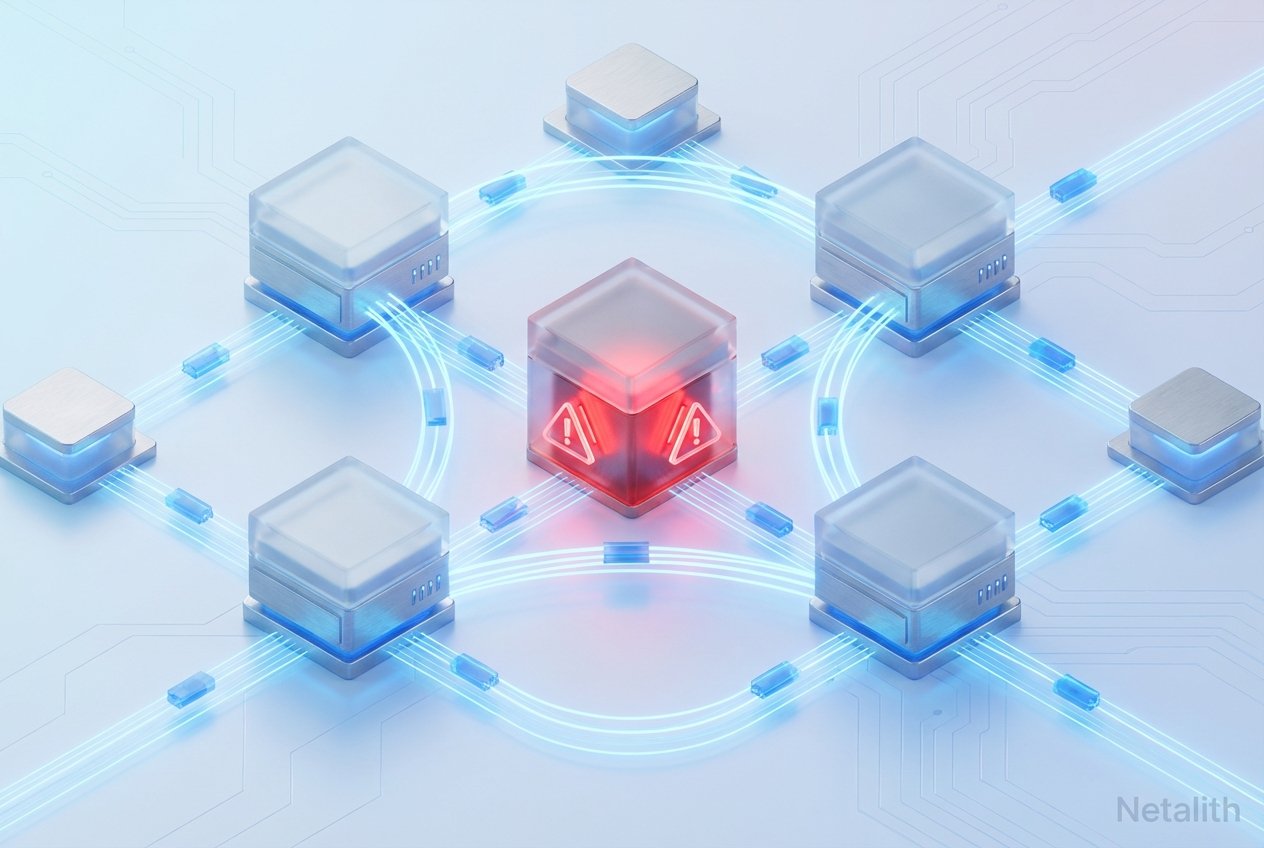
As software architectures become increasingly distributed and complex, traditional quality assurance methods are no longer sufficient to guarantee uninterrupted service. Chaos engineering has emerged as the definitive practice of intentionally introducing failures into a system to identify weaknesses before they cause real-world outages. By running controlled experiments, software developers and IT professionals can proactively guarantee distributed system reliability. Transitioning from reactive firefighting to proactive chaos testing is now the standard for modern resiliency QA.
A fundamental aspect of this discipline involves steady state hypothesis testing. Teams must first define what normal behavior looks like for their applications, establishing a measurable baseline. Once this steady state is defined, engineers can deliberately inject disruptions and observe how the system deviates. Through resilience engineering, organizations can isolate architectural flaws and build systems capable of surviving the unpredictable realities of modern cloud environments.
Why Chaos Engineering is Essential for High Availability
Understanding why resilience engineering is essential for high availability starts with recognizing the limitations of conventional, "happy-path" testing. In massively distributed microservices, failures are not just possible—they are an unavoidable reality. Resilience engineering helps teams anticipate those inevitable breakdowns rather than simply hoping they never occur.
Through meticulous failure mode testing, DevOps practitioners uncover latent bugs in network latency, sudden pod terminations, or unexpected database dropouts. Ultimately, this leads to true anti-fragility testing, ensuring that applications not only withstand external shocks but actually adapt and recover faster under stress. resilience engineering makes high availability achievable by fundamentally shifting the mindset from "failure is not an option" to "failure is constant, let's prepare for it," reducing costly downtime and protecting the user experience.
Core Principles of a Resilience Testing Framework
To succeed at a large scale, teams must establish a robust resilience testing framework. It is not enough to randomly unplug servers; modern practices require structured disruption simulation testing within safely controlled boundaries. You must start small, define a strict blast radius to prevent actual customer impact, and scale your experiments gradually.
Embracing shift-left testing means bringing these critical resilience checks earlier into the software development lifecycle and CI/CD pipelines. With automated failure injection continuously running against staging environments, you can constantly validate the architecture against unpredictable conditions, ensuring steady, reliable code deployments without human intervention.
Fault Injection Testing vs. Chaos Testing
While often used interchangeably, there is a distinct difference between these two critical concepts. Fault injection testing usually targets a specific, known vulnerability—like testing if a specific database timeout triggers the correct fallback mechanism. It is highly targeted, deterministic, and tests exactly what you expect.
On the other hand, chaos testing (a core subset of resilience engineering) explores the "unknown unknowns" across an entire, highly dynamic ecosystem. Both are vital components of a comprehensive failure mode testing strategy, but chaos testing scales up to validate systemic resilience rather than merely localized error handling.
Top Chaos Engineering Tools for DevOps Teams
Navigating the complex landscape of cloud-based testing platforms requires the right technical instruments. When evaluating the top resilience engineering tools for DevOps teams, flexibility, safety controls, and ecosystem integration are paramount. Advanced solutions like the AWS Fault Injection Simulator lead the pack by offering seamless integration with native cloud infrastructure, allowing teams to safely execute complex, multi-region disruption scenarios.
Beyond native cloud offerings, modern automated testing tools are increasingly incorporating AI-driven QA. These artificial intelligence integrations can dynamically predict potential failure impacts, analyze blast radii, and suggest optimal experiments before a simulation even runs. By combining intelligent analytics with robust failure injection engines, these tools make resilience engineering far more accessible and intelligent than ever before.
Chaos Engineering Best Practices for Cloud-Native Apps
Deploying ephemeral microservices and containerized environments demands specific, tailored strategies. The resilience engineering best practices for cloud-native apps revolve heavily around deep system observability and progressive deployment schedules. Here are the core best practices for success:
- Establish Robust Observability: You cannot fix what you cannot measure. Ensure you have comprehensive metrics and tracing to monitor your system’s heartbeat during an experiment.
- Start with a Minimal Blast Radius: Limit the scope of your initial experiments to a single pod or service before expanding to cluster-wide disruptions.
- Automate Halts: Implement automatic abort conditions. If the system drifts beyond acceptable error budgets, the experiment should terminate instantly.
- Align with QA Standards: Harmonize your chaos efforts with broader software quality assurance best practices to ensure that every experiment yields actionable, standardized data.
Integrating these experiments into your daily deployment pipelines guarantees continuous testing in DevOps. This solidifies your resiliency QA approach without slowing down agile release cycles or developer productivity.
Implementing Chaos Engineering to Test System Resiliency
Implementing chaos engineering to test system resiliency requires a structured, scientific journey. Begin by thoroughly adopting the core tenets of resilience engineering—documenting your steady state and defining clear, measurable hypotheses. From there, select your preferred automated testing tools to safely introduce deliberate disruptions.
For example, you might create an automated test to simulate network corruption within a Kubernetes cluster:
# Sample Chaos Experiment Configuration
version: 1.0.0
title: Microservice Network Corruption
description: Inject network delay to test frontend timeout resilience
action:
  type: network_delay
  duration: 45s
  latency: 300ms
  target_service: payment_gateway
Through systematic, automated failure injection, you continuously monitor how the application responds in real time. If the system fails to handle the simulated latency, the experiment provides immediate, quantifiable data. Developers can then address these newly discovered bottlenecks, drastically improving overall distributed system reliability before pushing to production.
Conclusion: Future-Proofing Systems with Chaos Engineering
In the evolving landscape of software testing trends, the ability to withstand turbulence is the ultimate competitive advantage. By adopting chaos engineering, organizations move beyond the hope of stability toward the certainty of resilience. Whether you are leveraging sophisticated automated testing tools or refining your internal resilience engineering culture, the goal remains the same: building systems that don't just survive failure, but learn from it. Netalith remains committed to helping teams master these disciplines, ensuring that distributed system reliability is a guarantee, not a gamble.
Frequently Asked Questions (FAQ
What is chaos engineering and why is it important?
Chaos engineering is the discipline of actively experimenting on a software system by safely introducing failures to identify hidden flaws. It is essential for preventing catastrophic downtime and ensuring consistent high availability in complex, cloud-native environments.
What is the difference between fault injection and chaos testing?
Fault injection is a technique used to test specific, known error paths (deterministic), whereas chaos testing explores systemic weaknesses and "unknown unknowns" across an entire distributed environment (experimental). In summary, a strong chaos engineering strategy should stay useful long after publication.