Automated DevSecOps Testing Workflows: Integrating Security into CI/CD Pipelines
A comprehensive guide to automating security within CI/CD pipelines using DevSecOps testing workflows, SAST/DAST integration, and container security best practices.
Drake Nguyen
Founder · System Architect
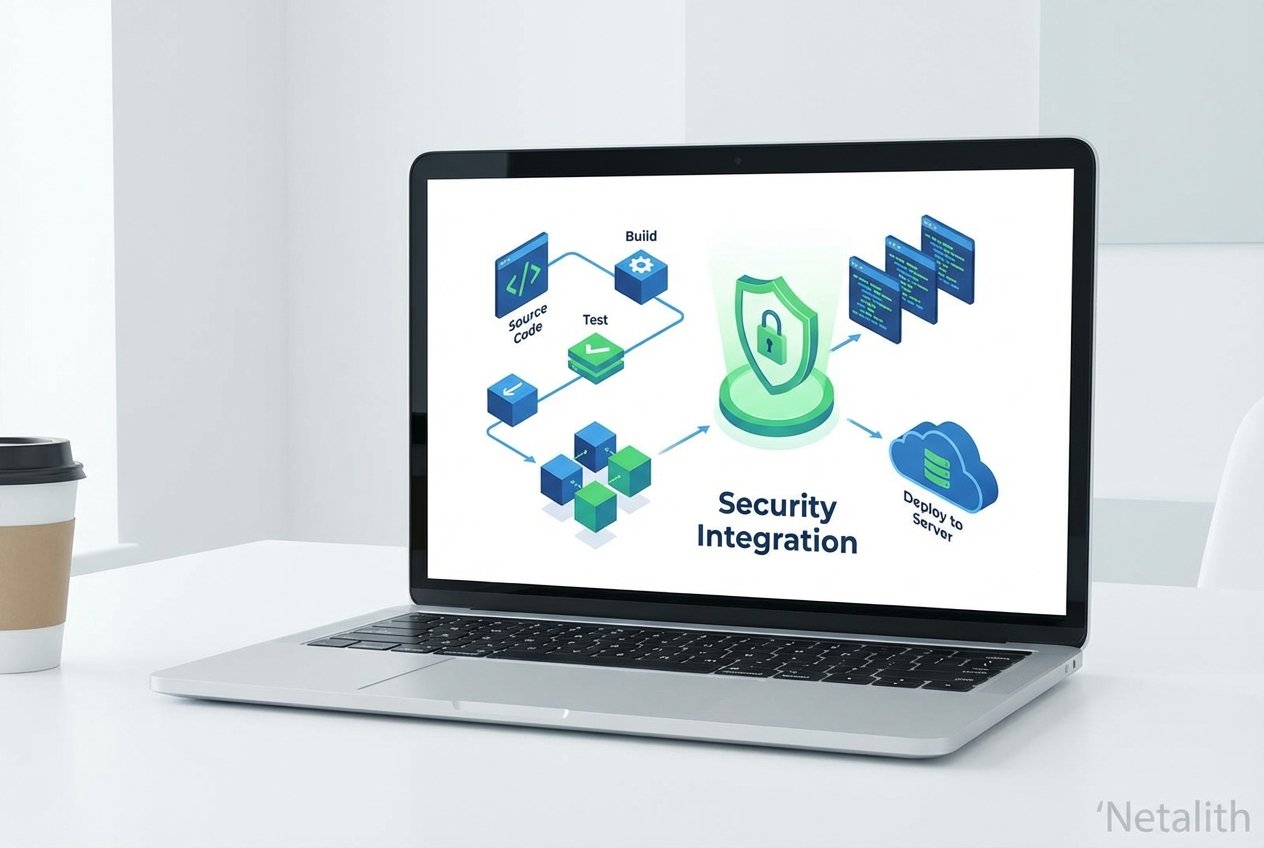
In the fast-paced landscape of modern software development, shipping code quickly is no longer sufficient; shipping secure code at velocity is the ultimate mandate. As cyber threats become increasingly sophisticated, organizations are moving away from siloed security checks and adopting integrated, automated approaches. At the heart of this transformation are robust DevSecOps testing workflows. By embedding security into every phase of the continuous integration and continuous deployment (CI/CD) pipeline, teams can identify vulnerabilities early, reduce remediation costs, and confidently deliver high-quality software.
The Evolution of DevSecOps Testing Workflows
The transition from traditional DevOps to a mature secure software development lifecycle (SSDLC) has redefined how engineering teams approach quality. automated security validation are no longer viewed as bottleneck processes; they are dynamic, continuous mechanisms embedded directly into the developer experience.
When analyzing software testing trends, it is clear that manual security gating is becoming obsolete. Organizations are prioritizing security testing in CI/CD using automated DevSecOps tools to ensure that every code commit, infrastructure configuration, and third-party dependency is verified in real-time. This evolution within DevSecOps means that security behaves as an automated enabler rather than an obstacle, allowing engineering, QA, and security teams to operate with unified objectives.
Key Components of Automated Security Validation
Establishing an environment capable of proactive automated security validation requires a combination of culture, strategy, and technology. Modern pipelines rely on specific automated testing tools designed to detect flaws before code ever reaches a production environment. Unlike reactive post-release patching, comprehensive vulnerability testing today begins at the very inception of a project, often utilizing automated threat modeling tools to anticipate attack vectors during the initial architectural design phase.
Integrating DAST and SAST into DevOps Pipelines
The foundation of any robust security pipeline involves analyzing code from multiple perspectives. Integrating DAST and SAST into DevOps pipelines is crucial for comprehensive coverage. Static Application Security Testing (SAST) examines source code at rest to detect vulnerabilities such as SQL injection and cross-site scripting early in the development cycle. Conversely, Dynamic Application Security Testing (DAST) inspects the application from the outside in while it is running, identifying runtime issues and environment-specific misconfigurations.
By blending these methodologies with routine dependency scanning in pipeline architectures, teams ensure that both proprietary logic and open-source libraries undergo rigorous, context-aware security testing without slowing down build times.
Container Security Testing Tools and Dependency Scanning
As microservices and Kubernetes dominate infrastructure patterns, securing the runtime environment is just as vital as securing the application code. Modern automated security validation mandate the use of specialized container security testing tools to inspect Docker images and orchestration manifests for known vulnerabilities and misconfigurations.
Furthermore, vulnerability management automation strategies ensure that any discovered flaw—whether in a base OS image or a nested package—is automatically flagged, categorized by severity, and routed to the correct developer. When supplemented with automated penetration testing tools, these container strategies provide an impenetrable shield around cloud-native deployments.
Top DevSecOps Tools for Automated Vulnerability Scanning
Selecting the right technology stack is paramount for scaling your security efforts. The top DevSecOps tools for automated vulnerability scanning are characterized by their deep integrations, low false-positive rates, and ability to execute seamlessly within cloud-based testing platforms.
When evaluating these automated testing tools for your DevSecOps initiatives, look for platforms that offer:
- Native IDE integrations to provide developers with immediate feedback.
- Unified dashboards that aggregate SAST, DAST, and container scanning results.
- API-first architectures that allow custom automation within complex CI/CD environments.
- Advanced correlation engines to prioritize risks based on exploitability rather than just CVE severity.
Shift-Left Security Testing Best Practices for Developers
Technology alone cannot secure an application; it requires a developer-centric workflow. Implementing shift-left security testing best practices for developers focuses on empowering engineers to write secure code natively. Shift-left testing fundamentally changes the paradigm by moving security checks to the earliest possible point—often directly in the developer's local environment or IDE.
To implement effective shift-left security QA, organizations should align their security mandates with broader software quality assurance best practices. This includes:
"Security should be as invisible as possible to the developer, acting as a helpful guardrail rather than a strict gatekeeper."
- Providing actionable remediation advice alongside vulnerability alerts, so developers know exactly how to fix the issue.
- Creating lightweight pre-commit hooks to block secrets and hardcoded credentials from entering version control.
- Fostering a culture of security champions within engineering pods to mentor peers on secure coding patterns.
Achieving Compliance as Code and Vulnerability Management Automation
For industries bound by strict regulatory standards (such as HIPAA, SOC 2, or PCI-DSS), proving compliance continuously is a significant challenge. By implementing compliance as code testing, organizations can translate complex regulatory frameworks into automated policies that execute with every pipeline run.
This approach relies heavily on vulnerability management automation to track the lifecycle of a security flaw from detection to resolution automatically. When paired with automated penetration testing tools that continuously validate network perimeters and application endpoints, compliance teams gain real-time, audit-ready visibility into the organization's security posture without disrupting daily DevSecOps testing workflows.
Conclusion: Elevating DevSecOps Quality Assurance
In a landscape where release cycles are measured in hours rather than months, comprehensive DevSecOps quality assurance is a non-negotiable standard. By adopting advanced automated testing tools and embracing continuous testing in DevOps, organizations can bridge the gap between rapid deployment and robust security.
Looking ahead, the integration of AI-driven QA will further refine these processes, intelligently filtering noise and predicting vulnerabilities before they are written. By refining your DevSecOps testing workflows today, you ensure that your team is prepared to meet the security demands of the future, delivering secure, resilient software at scale.
Frequently Asked Questions
What are the core elements of modern DevSecOps testing workflows?
Modern DevSecOps testing workflows integrate security checks at every pipeline stage. Core elements include static and dynamic code analysis (SAST/DAST), automated dependency scanning, container security validation, and continuous vulnerability assessment.
How does shift-left security benefit development teams?
Shift-left security moves testing to the earliest stages of the development cycle. This allows developers to find and fix vulnerabilities while they are still writing the code, which is significantly faster and more cost-effective than fixing bugs found in production.
Can vulnerability management automation replace manual penetration testing?
While vulnerability management automation and automated penetration testing tools can identify a vast majority of known risks and configuration errors, manual penetration testing is still recommended for identifying complex, deep-seated logic flaws that automated tools might miss. In summary, a strong DevSecOps testing workflows strategy should stay useful long after publication.