Shein vs. Amazon for Sellers: The Ultimate Fashion Marketplace Comparison Guide
Compare Shein and Amazon for fashion sellers. Analyze fees, audience demographics, and fulfillment models to decide which marketplace fits your brand strategy.

Long Nguyen
Fullstack Developer · AI Engineer · Researcher
Navigating the Competitive Marketplace Landscape
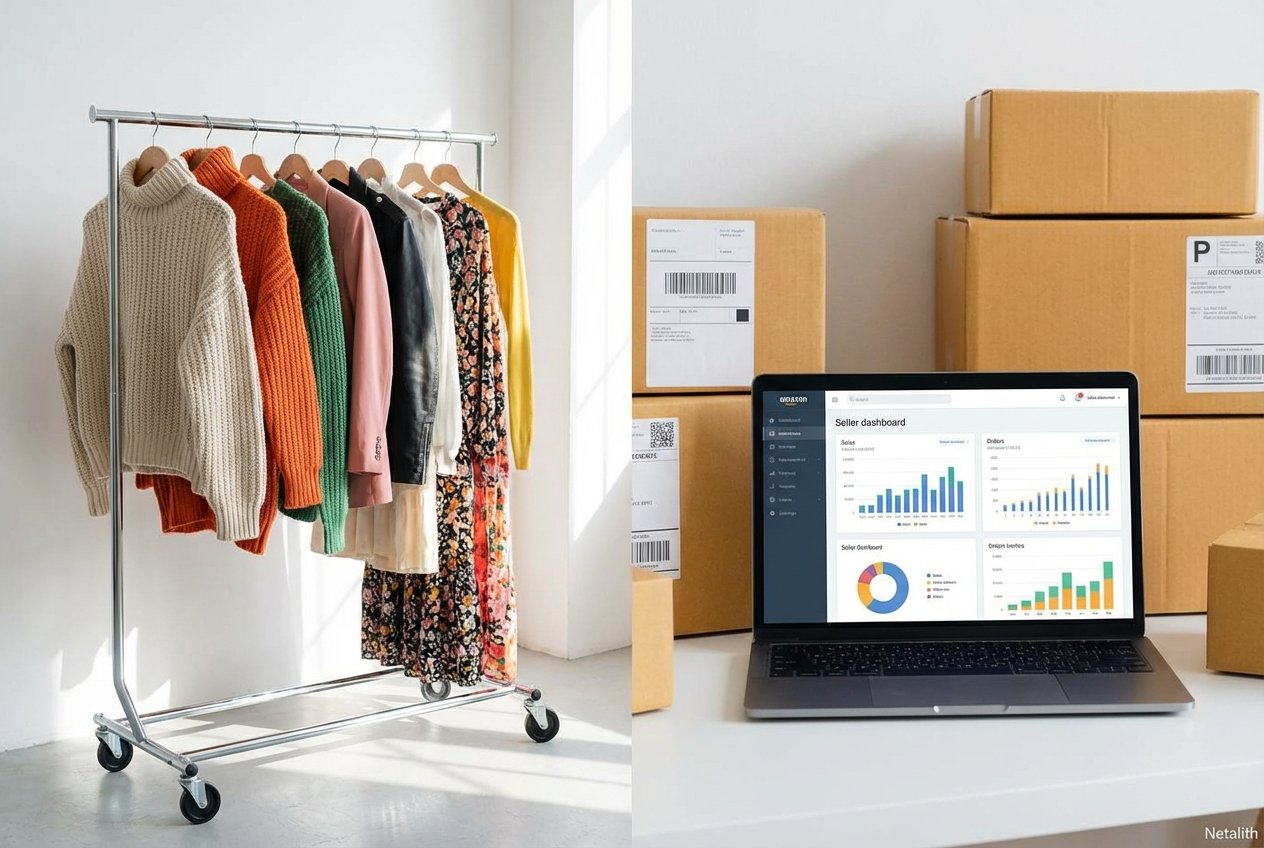
The global e-commerce sector has evolved dramatically, and fashion retailers are facing more critical platform decisions than ever before. To succeed, merchants must master the nuances of today's competitive marketplace landscape. Conducting a thorough marketplace comparison is no longer optional; it is a foundational step for any growing apparel business. At the center of this industry shift is the ultimate debate for modern merchants: shein vs amazon for sellers.
Historically, Amazon has dominated general retail, while Shein has disrupted fast fashion. Today, both giants are expanding their third-party seller networks, heavily courting independent brands. According to recent Netalith market analysis, choosing the right platform can make or break your profit margins. Whether you are scaling an established label or launching a new clothing line, understanding the intricacies of shein marketplace alternatives is the key to unlocking long-term growth.
"Success in fashion e-commerce doesn't come from being everywhere at once; it comes from aligning your platform's operational model with your brand's unique capabilities."
Shein vs Amazon for Sellers: A Comprehensive Breakdown
Diving into a shein marketplace vs amazon fashion seller comparison requires looking beyond surface-level traffic numbers. Developing a profitable omnichannel retail strategy means understanding how these platforms operate fundamentally differently behind the scenes. While Amazon operates as a massive search engine for high-intent buyers, Shein acts as an algorithmic discovery engine that drives impulse purchases through rapid trend cycles. Deciding on shein marketplace alternatives means aligning your business with either a high-volume, trend-based model or a search-optimized, fast-delivery model.
Target Audience Demographics: Shein vs Amazon
To maximize sales, you must first master target audience demographics shein vs amazon. Shein’s user base is overwhelmingly composed of Gen Z and younger millennials who prioritize hyper-trendy, budget-friendly apparel. They are highly responsive to influencer marketing and viral social media trends. Conversely, Amazon boasts a much broader, more mature demographic. Amazon shoppers span all age brackets and are generally driven by convenience, prime shipping speed, and trusted reviews. A brand visibility comparison e-commerce analysis reveals that Shein provides explosive visibility for viral fashion pieces, whereas Amazon provides consistent, search-based visibility for essential and everyday apparel.
Marketplace Fees and Commission Guide
Profitability hinges on understanding platform costs. Every merchant needs a reliable shein vs amazon marketplace fees and commission guide to forecast revenue accurately. On Amazon, sellers typically face a referral fee of around 15% to 17% for clothing and accessories, alongside monthly professional seller account fees and potential fulfillment charges.
Shein's financial structure operates differently, often functioning on wholesale margins or varied commission tiers depending on whether you are an integrated supplier or a third-party marketplace seller. Analyzing marketplace commission rates fashion across both networks is critical for calculating a true fashion e-commerce ROI comparison. Sellers must map out hidden costs—such as Amazon PPC advertising or Shein's promotional discounting requirements—before committing to a partnership.
Fulfillment by Amazon (FBA) vs Shein Model
Logistics are the backbone of a successful clothing brand. The debate between fulfillment by amazon (FBA) vs shein model logistics showcases two entirely distinct operational philosophies.
- Fulfillment by Amazon (FBA): Sellers ship inventory to Amazon's warehouses. Amazon handles storage, packing, shipping, and customer service. FBA grants products the coveted "Prime" badge, vastly increasing conversion rates. However, it requires strict adherence to e-commerce platform onboarding rules and inventory limits.
- The Shein Model: Shein utilizes a hyper-efficient, centralized global supply chain. Many integrated sellers ship goods to Shein's regional sorting centers, and Shein manages the global consolidation and final-mile delivery. While this reduces localized storage headaches, it offers sellers less granular control over shipping speeds compared to FBA.
Ultimately, your choice will heavily impact your brand visibility comparison e-commerce strategy, as delivery speed remains a major ranking factor on both platforms.
Pros and Cons: Choosing Between Shein and Amazon
When weighing the shein vs amazon seller pros and cons, merchants must be objective about their internal capabilities. Choosing between shein and amazon dictates your cash flow, marketing spend, and inventory turnover rate.
Amazon Pros: Unmatched customer trust, massive daily search volume, and automated logistics via FBA.
Amazon Cons: High marketplace commission rates fashion, fierce pay-per-click advertising competition, and strict account health metrics.
Shein Pros: Direct access to a dedicated fast-fashion audience, massive global reach, and powerful algorithmic product recommendations.
Shein Cons: Intense downward pressure on pricing, longer standard shipping times, and rigid shein marketplace requirements for new applicants.
Conducting a meticulous fashion e-commerce ROI comparison using these pros and cons is essential for anyone evaluating shein vs amazon for sellers.
Which is the Best Fashion Marketplace for Small Brands?
Entrepreneurs frequently ask: which is the best fashion marketplace for small brands? The answer lies in your production capacity and brand positioning. If you run a premium boutique with higher price points and hold local inventory, Amazon is generally the safer starting point for domestic growth.
However, if you own a highly agile manufacturing setup and want to know how to sell on shein global, the rewards can be massive. Be prepared to navigate rigorous shein seller center registration steps and a comprehensive shein seller portal tutorial. Meeting the stringent shein marketplace requirements often requires proving substantial production volume or existing revenue streams. For those exploring shein dropshipping for beginners, be aware that Shein's integrated third-party marketplace is maturing, requiring professional operational standards to maintain active status.
Shein Marketplace Alternatives: Is Shein or Temu Better?
As the competitive marketplace landscape expands, sellers are naturally looking into shein marketplace alternatives. The most notable rival currently is Temu. This brings up a pressing question: is shein or temu better for sellers?
When looking at shein vs temu for sellers, the distinction comes down to category focus. Temu operates as a digital discount hub, pushing aggressively priced general merchandise and home goods alongside apparel. Shein remains purpose-built for fashion, beauty, and lifestyle. For dedicated apparel brands, Shein offers a more targeted, fashion-conscious audience. Temu may offer raw traffic volume, but Shein generally yields better brand alignment for trendy clothing lines.
Conclusion: Optimizing Your Omnichannel Strategy
In the final assessment of shein vs amazon for sellers, the choice depends on whether your brand thrives on search-based stability or trend-based virality. Amazon provides the logistics and trust required for long-term brand building, while Shein offers unparalleled access to the global youth fashion market. To succeed, refer to a comprehensive sell on shein guide or Amazon's seller central to ensure you meet all compliance standards. By leveraging a smart omnichannel retail strategy—perhaps using Amazon for your core collection and Shein for trend-driven capsules—you can maximize your reach in the modern e-commerce landscape. Regardless of your choice, a data-driven Netalith market analysis will remain your best tool for navigating this evolving market.