The Ultimate Walmart Marketplace Integration Guide: Automate Your Inventory Sync
A comprehensive guide on automating Walmart Marketplace integration using API connections, cloud inventory software, and Netalith's SaaS solutions for real-time synchronization.

Long Nguyen
Fullstack Developer · AI Engineer · Researcher
The Ultimate Walmart Marketplace Integration Guide
Scaling a multi-channel retail operation requires more than just listing products on a new platform; it demands intelligent ecommerce automation. Welcome to the ultimate walmart marketplace integration guide, designed to help e-commerce entrepreneurs and digital retail managers expand their sales reach seamlessly. In today's highly competitive landscape, manual inventory updates and fragmented order tracking simply cannot keep up with high-volume consumer demand.
In this comprehensive walmart store sync, we will explore the technical roadmap for connecting your e-commerce ecosystem. From configuring a robust walmart integration to leveraging modern SaaS inventory solutions, our objective is to help you achieve real-time inventory synchronization. Whether you are scaling up an existing catalog or launching on Walmart for the first time, automating your infrastructure is the key to sustainable growth.
Preparing for Integration: Walmart Seller Requirements
Before diving deeper into the technical aspects of this walmart store sync, you must understand how to sell on walmart marketplace. The onboarding procedures have become more streamlined, but the expectations for merchant performance remain exceptionally high.
Navigating the Walmart Seller Application Process
Successfully passing the walmart seller application process is the first hurdle. Retailers must prove a track record of marketplace success, reliable fulfillment capabilities, and a high-quality product catalog. Preparing your business documentation—such as your business tax ID, W-9, and a letter of good standing—is essential before initiating any technical connections.
Meeting Current Walmart Seller Requirements
The updated walmart seller requirements place a heavy emphasis on fulfillment speed and inventory accuracy. To meet these rigorous standards without facing account suspension, many sellers are upgrading their technology stacks early on. Adopting an advanced ERP for walmart sellers ensures your back-end operations are fully compliant with Walmart's strict Service Level Agreements (SLAs). If you plan on leveraging Walmart Fulfillment Services (WFS), your internal routing and prep systems must be meticulously aligned.
Understanding API Integration for Walmart Seller Center
A critical chapter of any walmart store sync is understanding the underlying technology that makes seamless selling possible. Manual data entry is prone to human error; relying on an api integration for walmart seller center is the only way to scale effectively across thousands of SKUs.
Establishing a stable walmart api connection allows your back-office software to communicate directly with Walmart's servers via secure RESTful endpoints. By utilizing a dedicated walmart marketplace connector, merchants can securely authenticate their accounts using their Client ID and Client Secret, allowing accurate mapping of data fields between their internal inventory databases and Walmart's public catalog.
- Bulk Product Listing Tools: API connections power advanced bulk product listing tools, enabling merchants to push hundreds or thousands of products to Walmart instantly, complete with automatically mapped categories, attributes, and high-resolution images.
- Automated Price Management: API syncs heavily support automated price management, allowing you to dynamically adjust pricing based on algorithmic rules and competitor data, protecting your Buy Box share and ensuring maximum profitability.
Step-by-Step Walmart Store Sync and Cloud Connections
Following the next phase of our walmart store sync ensures you avoid common setup pitfalls. Establishing a highly operational walmart store sync requires properly aligning your external sales channels with your central inventory command node.
Integrating Walmart Marketplace with E-commerce Inventory Management Cloud
The technical process of integrating walmart marketplace with e-commerce inventory management cloud platforms involves mapping your physical inventory locations, setting safety stock buffers to prevent overselling, and configuring synchronization frequencies. Modern architectures utilize webhooks to trigger data exchanges the exact millisecond a transaction occurs.
Cloud-Based Inventory Syncing for Walmart and Shopify
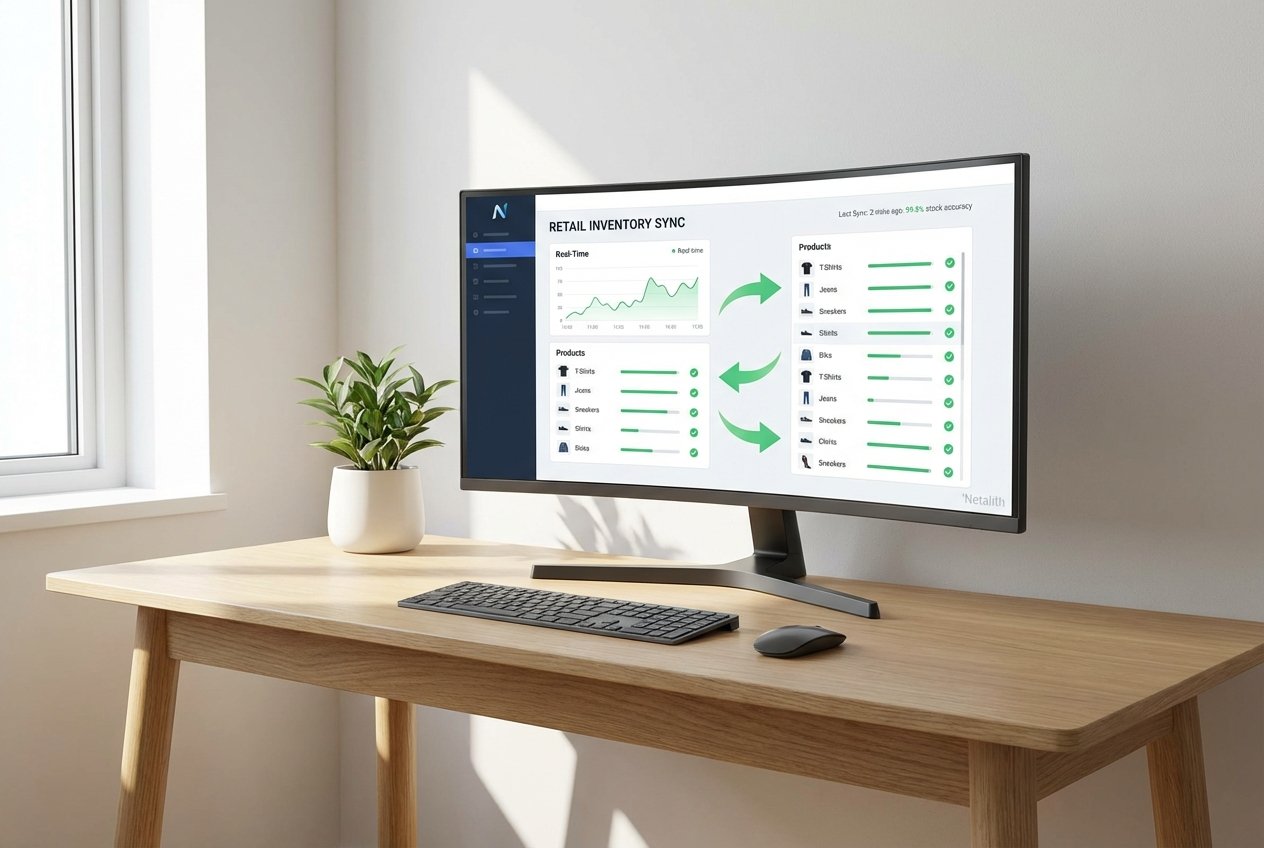
For D2C brands that also run their own storefronts, implementing cloud-based inventory syncing for walmart and shopify is crucial. When an item sells on your Shopify store, the cloud system must instantly push automated stock updates to Walmart (and vice versa). This bidirectional real-time inventory synchronization protects your seller metrics from cancellation penalties and builds lasting customer trust.
Managing Orders: Centralized Dashboard E-commerce Solutions
As noted throughout this walmart store sync, syncing your product catalog is only half the battle. Efficiently handling the inbound flow of transactions requires top-tier inventory cloud software.
By routing all channel transactions into a centralized dashboard e-commerce platform, fulfillment teams eliminate the need to log into multiple disconnected seller portals. This unified interface acts as the command center for multi-channel order management.
Leading SaaS inventory solutions consolidate your pick, pack, and ship workflows seamlessly. When a new order drops from Walmart, the centralized dashboard instantly allocates the required inventory, generates the optimal shipping label, and automatically transmits the tracking details back to Walmart Seller Center via the API. This continuous loop of digital data ensures your fulfillment metrics remain pristine.
Why Netalith is the Best Walmart Marketplace Integration Software
When reading a walmart marketplace integration guide, retail managers inevitably look for actionable, modern software recommendations. E-commerce technology evolves rapidly, and having the right automated partner is critical. This is why Netalith stands out as the absolute best walmart marketplace integration software for growing brands.
Netalith specializes in advanced e-commerce inventory management cloud solutions tailored specifically for scaling multi-channel merchants. Rather than forcing small to mid-sized businesses into a bloated, prohibitively expensive enterprise system, Netalith bridges the technology gap. It acts as a lightweight, highly powerful alternative to a traditional, bulky ERP for walmart sellers.
With Netalith, you gain access to cutting-edge SaaS inventory solutions that feature one-click marketplace integrations, comprehensive multi-warehouse routing, and a deeply intuitive user interface. It handles the heavy lifting of continuous API maintenance, ensuring your Walmart connection is always stable, compliant with the latest requirements, and fully optimized for high-volume sales.
Conclusion: Next Steps in Your Walmart Marketplace Integration Guide
Thank you for reading our complete walmart marketplace integration guide. Successfully launching and scaling your presence on the platform requires a strategic approach to technology. By moving from manual workflows to a high-performance, automated ecosystem, you can ensure long-term growth. Utilizing a robust walmart integration strategy is no longer optional—it is the foundation of modern retail success. Ready to scale? Start your journey with automated stock updates and a unified dashboard to master the marketplace today.