Software Development Life Cycle (SDLC): The Ultimate Step-by-Step Guide
An essential beginner's guide to the Software Development Life Cycle (SDLC), covering all 7 phases and comparing Waterfall vs Agile methodologies.

Long Nguyen
Fullstack Developer · AI Engineer · Researcher
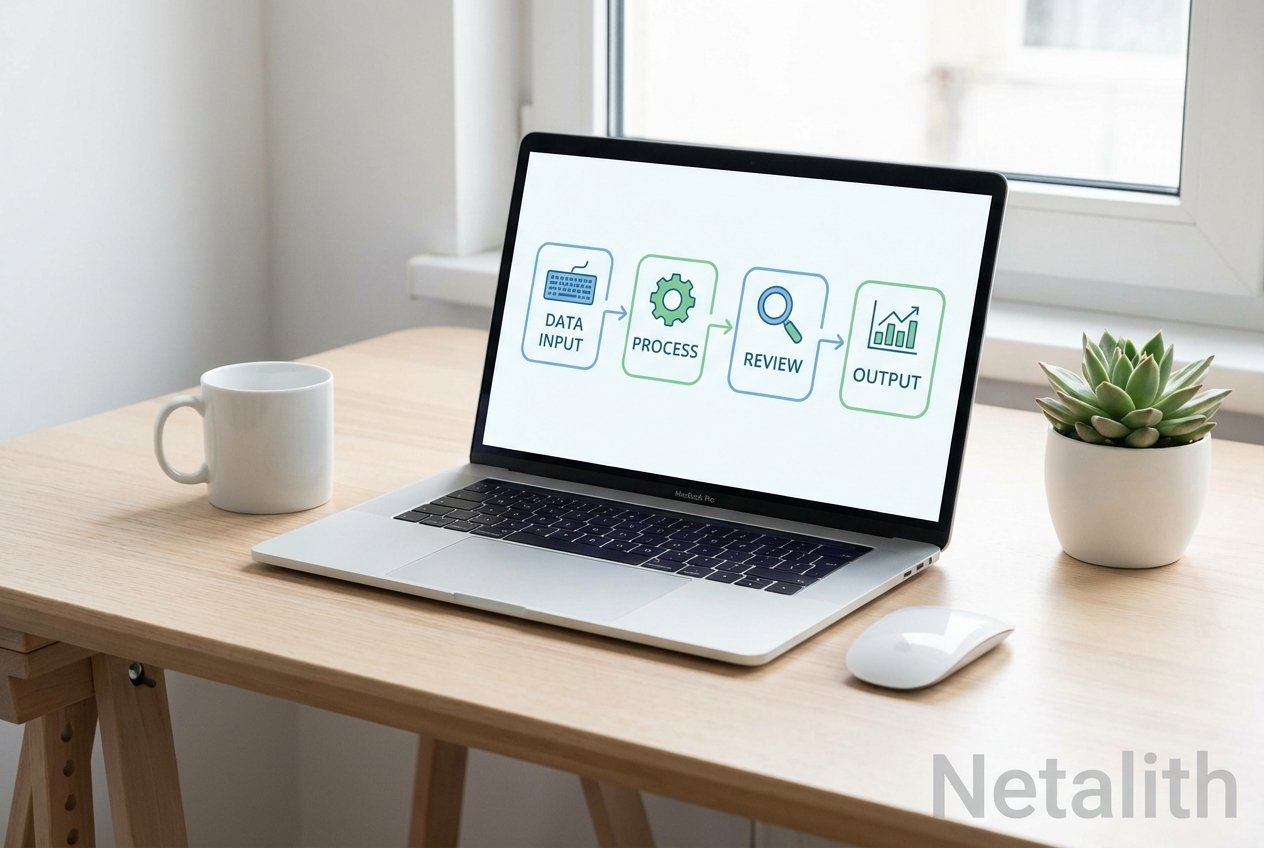
If you are stepping into the world of software engineering, creating a successful application requires much more than simply writing lines of code. It demands a structured approach to take an idea from a rough concept to a fully functional, market-ready product. This overarching framework is known as the software development life cycle (SDLC). Whether you are an aspiring software engineer, a computer science student, or a career changer transitioning into tech, mastering this structured methodology is your first step toward a successful tech career.
In this comprehensive guide, we will break down the fundamental steps that development teams take to build robust applications. By understanding the Software engineering life cycle, you will learn how large-scale projects are managed, how code reaches the end-user, and why established methodologies are so critical in modern tech companies.
What is the Software Development Life Cycle (SDLC)?
The Software engineering life cycle is a standardized software development process used by engineering teams to design, develop, test, and deploy high-quality software. The primary goal of this framework is to produce software that meets or exceeds customer expectations, reaches completion within time and cost estimates, and works reliably in the real world.
Think of this framework as a blueprint. Just as a construction crew wouldn't build a skyscraper without architectural plans and safety checks, developers rely on the Software engineering life cycle to ensure their digital products are structurally sound. Throughout your journey as a developer, you will frequently hear this referred to as the software engineering life cycle. It serves as a comprehensive project management framework that minimizes risks and maximizes efficiency.
This SDLC guide is designed as an accessible SDLC tutorial for beginners, ensuring you understand exactly how raw ideas are transformed into the apps you use every day.
The 7 Phases of Software Development Life Cycle Explained
When it comes to understanding the software development life cycle phases for beginners, it helps to break the process down into actionable steps. Having the phases of software development life cycle explained chronologically shows exactly how a product matures. While these are often referred to as the classic 7 phases, many modern teams group them into 6 core operational stages. Collectively, these software development stages ensure nothing is overlooked, from initial brainstorming to final user delivery. Let's explore these SDLC phases in detail.
Phase 1: Planning and Requirement Analysis
Every successful project begins with meticulous planning and requirement engineering. In this initial stage, senior team members, product managers, and stakeholders collaborate to define what the software needs to do. Effective software requirements gathering is critical here; the team must document the target audience, project scope, and functional expectations.
During this phase, teams also establish the project management framework, which outlines timelines, resource allocation, and budget constraints. Without solid requirements, even the most talented developers will struggle to build a product that effectively solves the user's problem.
Phase 2: System Architecture and Design
Once the requirements are locked in, the focus shifts to system analysis and design. Here, software architects and lead engineers translate the business requirements into technical blueprints. If you are learning system design basics, you will understand that this phase is about choosing the right database structures, defining API endpoints, and planning the user interface.
The team will also select appropriate software architecture patterns (such as microservices or monolithic structures) to ensure the application will be scalable and secure. This phase acts as the technical roadmap for the developers who will soon write the code.
Phase 3: Implementation and Coding
Phase 3 is where the actual software build cycle begins. Developers take the design documents and start translating them into functional code. This is arguably the most labor-intensive part of the Software engineering life cycle.
To ensure the codebase remains manageable and bug-free, teams strictly adhere to clean code principles. Furthermore, multiple developers work simultaneously, making version control with git an absolute necessity. Git allows teams to track changes, merge code seamlessly, and revert to previous states if a critical error occurs.
Phase 4: Testing
Writing code is only half the battle; verifying that it works is just as crucial. Before any user sees the application, it must undergo rigorous software testing. Quality Assurance (QA) engineers and automated scripts check the software for bugs, security vulnerabilities, and performance bottlenecks.
Modern teams heavily rely on unit testing best practices to verify individual components in isolation, alongside integration and system testing. This phase is a mandatory checkpoint in the app development process, guaranteeing that the final product behaves exactly as outlined in the initial requirements.
Phase 5: Deployment
The deployment phase is the exciting moment when the software is finally pushed to a live environment where users can interact with it. Depending on the project, deployment might happen all at once or in rolling, phased releases.
In today's software ecosystem, manual deployments are largely a thing of the past. Teams now utilize CI/CD pipeline basics (Continuous Integration and Continuous Deployment) to automate the release. This ensures that new features and bug fixes move seamlessly through the final software development stages and reach the end-user with minimal downtime.
Phase 6: Maintenance and Updates
The launch of an application is not the end of the software engineering life cycle; it is merely a new beginning. Phase 6 involves ongoing software maintenance. As users interact with the application, they will inevitably uncover edge-case bugs or request new features.
During this stage, developers monitor system performance, apply security patches, and release regular updates. Continuous maintenance is a core pillar of the software development process, ensuring the application remains relevant, secure, and functional over time.
SDLC Models Comparison: Waterfall vs Agile
While the phases above represent *what* needs to be done, SDLC methodologies dictate *how* and *when* these phases are executed. A common hurdle for beginners is navigating the sdlc models comparison. The two most prominent methodologies are Waterfall and Agile.
- Waterfall Model: The Waterfall methodology is a linear, sequential approach. In the traditional waterfall vs agile sdlc phases debate, Waterfall requires one phase to be completely finished before the next begins. It is highly structured and excellent for projects with rigid requirements. However, it lacks flexibility if market needs change midway through development.
- Agile Model: Agile is an iterative, flexible approach that breaks the project into small "sprints." Emphasizing continuous feedback and rapid releases, modern SDLC methodologies favor Agile for fast-paced tech startups. Agile allows teams to pivot quickly, continuously repeating the software development life cycle (SDLC) on a smaller scale for every feature.
Conclusion: Mastering the Software Development Process
Choosing between these SDLC methodologies depends entirely on the project's scale, the team's structure, and the client's needs. By mastering the software development life cycle (SDLC), you gain a professional perspective on how high-quality applications are built from the ground up. Whether you are following a rigid linear path or a flexible iterative cycle, the SDLC remains the most reliable framework for delivering value to users while maintaining technical excellence.