Python for SEO: Automating Technical Audits for Cloud Platforms
Learn how to use Python for SEO 2026 to automate technical audits on cloud platforms. A guide to scripts, AI detection, and crawl optimization for modern search engine performance.

Long Nguyen
Fullstack Developer · AI Engineer · Researcher
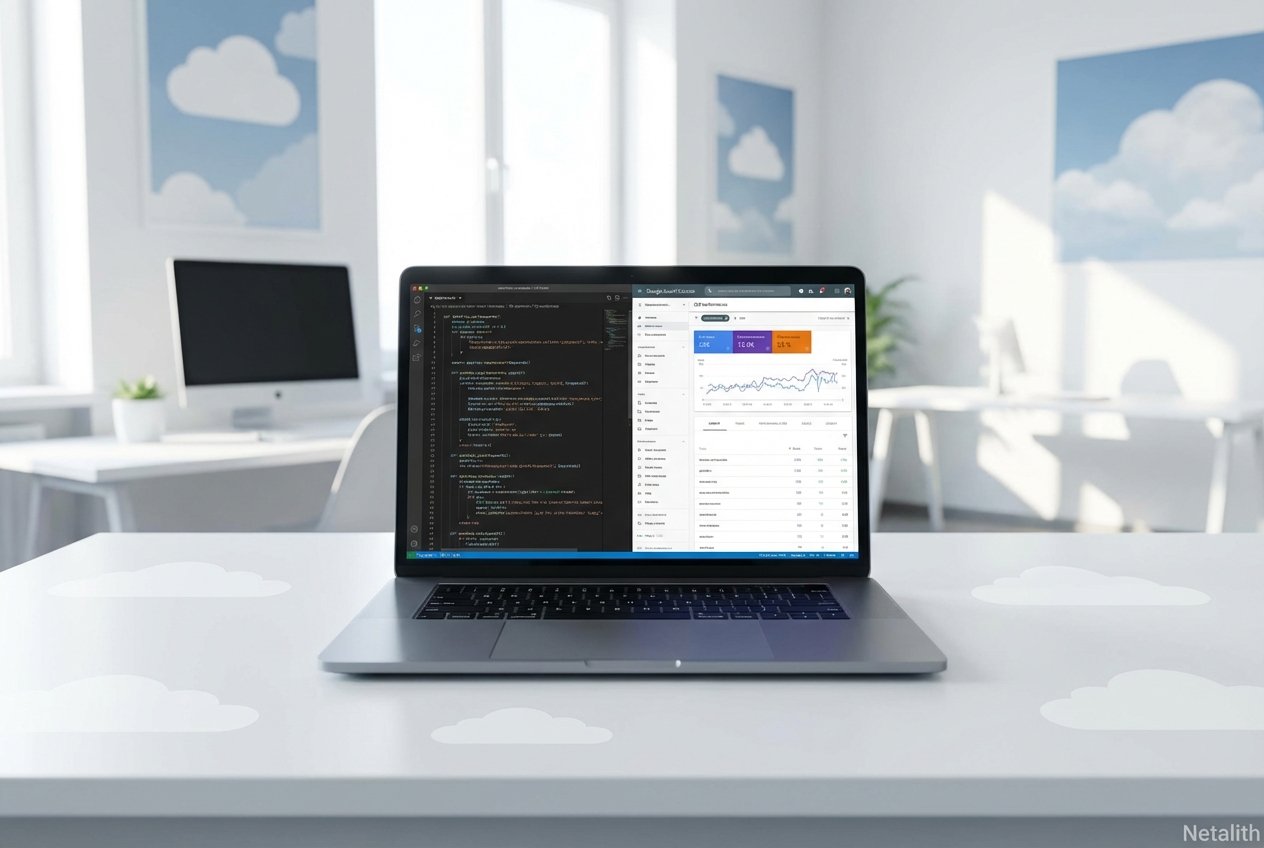
As the web scales, so does the complexity of managing search visibility across large, decentralized architectures. Traditional, manual auditing methods are no longer sufficient for massive environments hosted on AWS, Google Cloud, or Azure. If you want to remain competitive, mastering Python for SEO 2026 is no longer just an advantage—it is a baseline requirement. By leveraging scripts and programmatic logic, professionals can dissect complex structures and deploy technical SEO for cloud sites with unprecedented speed.
This tutorial is designed for tech bloggers, cloud computing professionals, and digital marketing beginners looking to elevate their workflow. In this guide, we will walk you through the precise methodologies required to extract deep insights, evaluate server logs, and monitor search health using cutting-edge SEO automation.
Python for SEO 2026: Why You Need Python for SEO
Cloud platforms are inherently dynamic. Serverless functions, headless content management systems, and auto-scaling infrastructure create a constantly shifting web presence. Adopting Python for SEO 2026 is the optimal solution to keep pace with these frequent structural changes. Standard crawler tools can only provide a snapshot in time; they lack the custom integration required to interface directly with cloud pipelines.
By implementing robust tech audit automation, you bridge the gap between marketing initiatives and backend deployment. The SEO automation tech sector has witnessed a massive shift toward programmatic site audits. Instead of manually checking thousands of URLs for indexability or canonical tags, you can integrate Python scripts directly into your CI/CD (Continuous Integration/Continuous Deployment) pipelines.
These SEO engineering workflows ensure that any code deployed to your cloud platform is instantly evaluated for search compliance. Ultimately, reducing human error through automation ensures that large websites maintain structural integrity, load quickly, and send optimal signals to search engine crawlers. Modern Python for SEO 2026 strategies prioritize these real-time feedback loops over static quarterly audits.
Essential Python SEO Libraries in
Before writing custom code, you must build your toolkit. The landscape of python SEO libraries 2026 has matured, providing ready-to-use packages that make coding for SEO tutorial steps incredibly straightforward. If you are focused on programming for search optimization, you will need tools that can handle asynchronous requests, parse heavy DOM environments, and manipulate large datasets seamlessly.
- Pandas: The undisputed champion for manipulating large-scale SEO data, matching URLs with log files, and generating readable reports.
- BeautifulSoup & lxml: Essential for parsing HTML and extracting precise on-page elements like metadata, schema markup, and canonical tags.
- Advertools: A library specifically designed for digital marketers, offering built-in functions for checking robots.txt, generating sitemaps, and performing deep technical crawls.
- Asyncio & Aiohttp: Crucial for data-driven SEO cloud tech. These libraries allow concurrent requests, letting you crawl cloud-hosted sites at scale without timing out.
Mastering these libraries enables you to tackle everything from an on-page SEO guide integration to complex semantic analyses, turning raw HTML into actionable business intelligence.
Step-by-Step: Automating Technical SEO Audits for Cloud Platforms Using Python
Now that your environment is ready, it is time to move into execution. Automating technical seo audits for cloud platforms using python requires breaking the audit down into modular, repeatable scripts. In this section, we will cover exactly how to build python scripts for cloud site seo that handle the heavy lifting for automated site auditing in 2026.
The core concept is to shift away from static desktop software and rely on programmatic site audits that can be scheduled via cron jobs or triggered by cloud events. This approach not only saves time but guarantees that you identify errors before they impact organic traffic.
Running Automated Header Checks on Cloud Sites
One of the most frequent points of failure in cloud environments revolves around server response codes and edge caching headers. Performing automated header checks cloud sites ensures that redirects are functioning correctly and that no massive 404 or 500 error spikes are occurring behind a CDN.
Any comprehensive automated SEO audits guide will emphasize the importance of monitoring status codes. By merging automated log file analysis with live header requests, you can easily flag misconfigurations. Here is a simple snippet showing how you might check headers asynchronously:
import aiohttp
import asyncio

async def check_header(session, url):
    async with session.head(url) as response:
        return url, response.status

async def main(urls):
    async with aiohttp.ClientSession() as session:
        tasks = [check_header(session, url) for url in urls]
        results = await asyncio.gather(*tasks)
        for url, status in results:
            if status >= 400:
                print(f"Issue detected: {url} returned {status}")

# Example list of cloud URLs
urls = ["https://cloudsite.com/api/data", "https://cloudsite.com/docs"]
asyncio.run(main(urls))
This foundational script gives you instant insight into server-side health and forms the basis of a broader diagnostic system.
Crawl Budget Optimization Script
Large-scale cloud platforms often generate infinite combinations of parameters, leading to severe crawl traps. Search engine bots waste time crawling low-value URLs, neglecting your core content. Developing a dedicated crawl budget optimization script is a critical piece of modern SEO automation.
A successful script analyzes your server access logs to identify which URLs search engine bots are requesting most frequently. By cross-referencing this data with your actual sitemap, your SEO engineering workflows can automatically flag \"zombie\" pages or runaway faceted navigation that needs to be blocked via robots.txt or meta tags.
import pandas as pd

# Load server logs
logs = pd.read_csv('access_logs_2026.csv')

# Filter for Googlebot requests
googlebot_logs = logs[logs['user_agent'].str.contains('Googlebot')]

# Identify highly crawled but non-indexable URLs
crawled_urls = googlebot_logs['url'].value_counts().reset_index()
crawled_urls.columns = ['url', 'crawl_frequency']

print(crawled_urls.head(10))
# Actionable data for blocking inefficient paths
Using AI to Detect Technical SEO Issues in Cloud Infrastructure
The introduction of intelligent systems has revolutionized how we process data. Using AI to detect technical seo issues cloud takes your Python scripts to the next level. Instead of relying purely on static rules, machine learning models can now predict traffic drops based on structural changes in your code. By integrating AI search optimization with a forward-thinking semantic search strategy, you can identify hidden patterns that traditional crawlers miss.
When you combine these tools with data-driven SEO cloud tech, you can automate complex tasks such as detecting keyword cannibalization or identifying missing entities across massive databases. Python for SEO 2026 allows your scripts to evaluate if newly published cloud content actually meets the search intent of your target audience.
"In 2026, combining Python scripts with AI models allows systems to autonomously categorize errors, grade content semantics, and even auto-generate recommendations for backend engineering teams."
For example, using cloud-based AI endpoints (like OpenAI or Hugging Face APIs) alongside Python allows you to feed raw HTML into a model to check for schema consistency or content relevance at scale. This ensures your backlink building for tech blogs and on-page efforts are supported by a flawless technical foundation.
Conclusion: The Future of Python for SEO
Scaling search performance in a cloud-first world requires a departure from manual workflows. By adopting Python for SEO 2026, you transform technical debt into a competitive advantage. From automated header checks cloud sites to AI-driven diagnostics, the ability to script your own solutions ensures that your site remains optimized, regardless of how fast your infrastructure grows. Start integrating these SEO automation tools today to secure your rankings for the years ahead.