Incident Response Tutorial: A Step-by-Step Data Breach Guide for Businesses
A comprehensive tutorial on handling cybersecurity incidents, covering preparation, forensic identification, containment, and recovery strategies for modern businesses.

Long Nguyen
Fullstack Developer · AI Engineer · Researcher
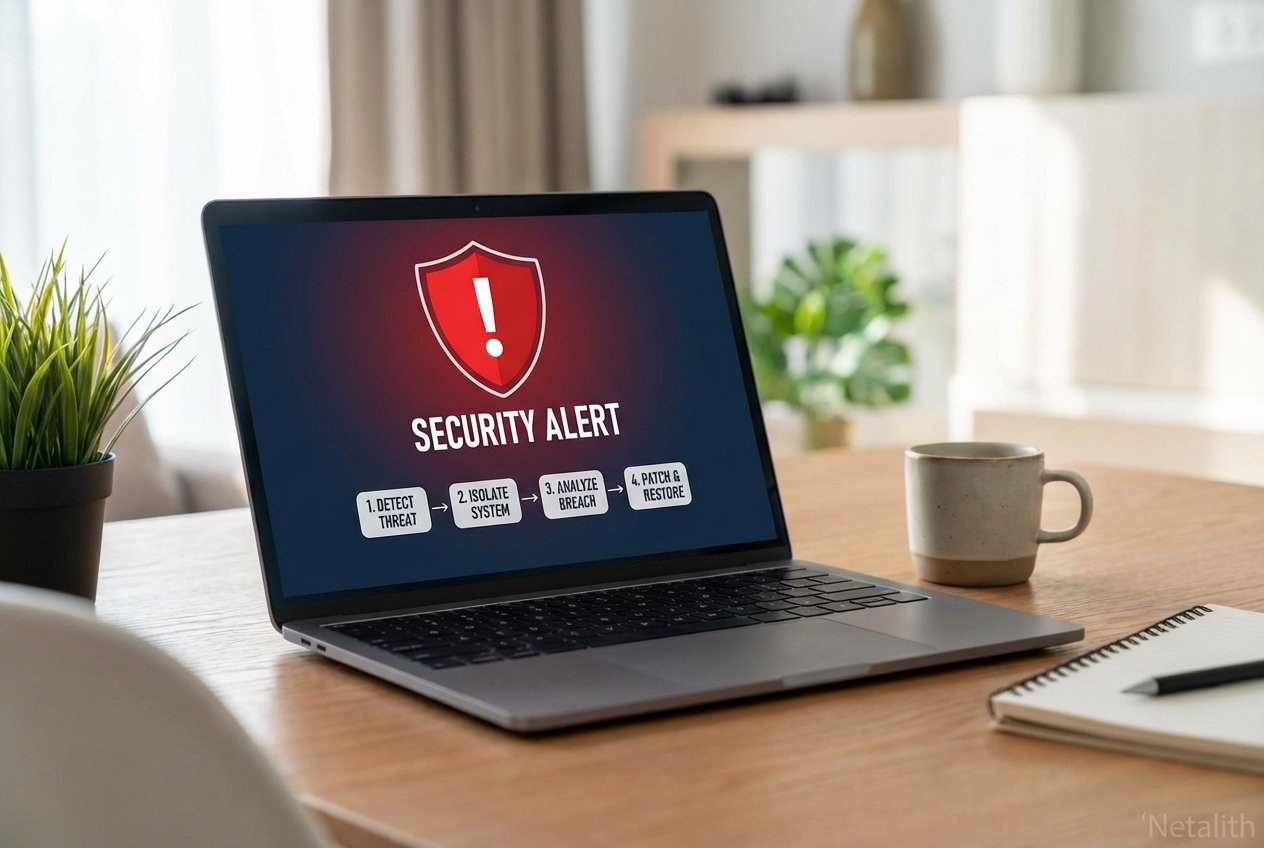
Why You Need an Incident Response Tutorial
In today's digital landscape, cyber threats are more sophisticated, frequent, and damaging than ever before. Knowing exactly what to do when your network is breached is no longer optional; it is a critical requirement for business survival. Welcome to this comprehensive incident response tutorial, designed to teach you the core principles of protecting and defending your organization during a crisis. Whether you are an IT professional or an entrepreneur, mastering breach response basics is essential to maintaining operational integrity.
When a system compromise occurs, panic is your worst enemy. A documented, well-practiced strategy turns chaos into a controlled environment. This handling a security breach guide for owners provides the foundational knowledge and actionable steps needed to mitigate damage, secure digital assets, and restore normal operations swiftly. Following a reliable incident response tutorial ensures your team operates with precision when every second counts.
Why Small Businesses Need an Emergency Security Plan
Many business owners mistakenly believe that cybercriminals only target massive, multinational corporations. In reality, small and medium-sized enterprises (SMEs) are highly attractive targets because they often lack enterprise-grade security infrastructure. Implementing a robust emergency security plan is your absolute best defense against catastrophic data loss, reputational damage, and financial ruin.
If you are researching how to create an incident response plan for small business 2026 standards, you must first recognize that modern threats leverage automated tools that exploit unpatched vulnerabilities in minutes. Every organization must develop and maintain a cyber emergency planning guide that aligns technical teams, executive leadership, and legal counsel. This proactive approach ensures a unified front when an attack inevitably occurs.
The Incident Management Life Cycle Tutorial
Navigating a cyber attack without a structured methodology is a recipe for disaster. This section serves as your incident management guide for beginners, focusing on the industry-standard frameworks used by top-tier security operations centers globally. If you are searching for a comprehensive what to do after a cyber attack tutorial for beginners, you must deeply understand the phases of crisis management.
By following this incident management life cycle tutorial, organizations can transform a highly stressful event into a predictable, repeatable process. As part of this broader incident response tutorial, we will break down the life cycle into five critical, actionable steps.
Step 1: Preparation & Creating a Security Incident Playbook
The most important phase of incident management happens long before an attacker breaches your perimeter. A proper guide to creating a basic security incident playbook involves defining team roles, establishing out-of-band communication channels, and mapping out your IT environment. As highlighted in any professional security breach response tutorial, preparation prevents poor performance.
During the preparation phase, it is crucial to review your identity and access management basics. Implementing the principle of least privilege ensures that even if an attacker compromises a single account, their lateral movement within your network remains severely restricted.
Step 2: Identification & Forensics Basics
When an alert triggers or suspicious activity is detected, your immediate goal is to determine if a genuine breach has occurred. Our forensics basics for small businesses tutorial emphasizes the critical importance of analyzing server logs, tracking unusual user behavior, and preserving digital evidence before making any system changes.
Understanding fundamental network security basics allows you to spot anomalies—such as unexpected outbound data transfers—early in the attack chain. Consider this a vital component of any cyber threat prevention tutorial. Properly identifying the threat vector prevents teams from deploying the wrong response tactics.
"Accurate identification is the cornerstone of effective incident response. Without knowing what you are fighting, your mitigation efforts are merely guesswork."
For an IT security perspective, analysts often look for anomalies in access logs, such as repeated failed login attempts followed by a suspicious success from a foreign IP address.
Step 3: Containment and Eradication Basics
Once a legitimate threat is identified, it must be stopped in its tracks. This containment and eradication basics tutorial covers the dual strategies of isolating infected systems from your broader network (containment) and safely neutralizing the malware or unauthorized access points (eradication). For anyone following a responding to cyber attacks tutorial, it is critical to isolate the damage without inadvertently destroying forensic evidence.
Containment can be short-term (disconnecting a single compromised server) or long-term (rerouting traffic and applying emergency patches). This phase requires decisive action, making it the most active step in this step by step tutorial on responding to a data breach. In any professional incident response tutorial, containment is recognized as the turning point of the crisis.
Step 4: Recovery & Business Continuity
With the threat eradicated, bringing systems back online securely is your next priority. In this business continuity basics tutorial, we emphasize restoring systems from verified, clean backups, resetting all administrative credentials, and monitoring the network continuously for reinfection. Think of this phase as a practical digital asset protection guide in motion.
For modern, cloud-native environments, knowing how to secure cloud infrastructure during the recovery phase is paramount. Attackers frequently attempt to leave hidden backdoors or persistent access tokens during the initial breach; vigilant recovery processes ensure these access points are closed permanently.
Step 5: The Post-Incident Review Process
After the immediate danger has passed, your work is not quite finished. Following a strict post-incident review process guide ensures your organization learns and adapts from the attack. What vulnerabilities were exploited? How quickly did the team respond? How can you improve your playbook for next time?
A leading cybersecurity tutorial will stress the vital importance of the "lessons learned" meeting. This collaborative review strengthens defenses and refines procedures for the future. A high-quality incident response tutorial always emphasizes that the cycle naturally feeds back into the preparation phase.
Breach Notification Requirements for the Modern Era
Regulatory compliance and legal obligations are a massive, non-negotiable component of modern incident response. To navigate these complex laws, organizations must consult a current breach notification requirements guide. Depending on your jurisdiction and the type of data compromised, the legal landscape mandates swift transparency.
In many regions, organizations are legally required to notify regulators and affected individuals within a strict 72-hour window after discovering a data breach. Failing to meet these mandates can result in crippling legal fines and irreversible brand damage.
Next Steps in Cyber Emergency Planning with Netalith
Securing your business requires constant vigilance and a proactive mindset. By following the steps outlined in this incident response tutorial, you have taken the first step toward building a resilient organization. However, a tutorial is only as effective as the tools and expertise supporting it.
Netalith specializes in helping businesses implement comprehensive incident response strategies and robust emergency security plans. Don't wait for a breach to happen before you decide to act. Review your security posture today and ensure your team is equipped with a cyber emergency planning guide that works. In summary, a strong incident response tutorial strategy should stay useful long after publication.
FAQ: Frequently Asked Questions
- What is the first thing I should do during a breach? Refer to your security incident playbook to identify the threat and begin containment immediately.
- How often should I update my incident response plan? At least annually, or whenever there are significant changes to your IT infrastructure.
- Do small businesses really need a forensic review? Yes. Understanding how an attacker got in is the only way to ensure they are fully removed.