Phishing Prevention Tutorial: Expert Guide to Spotting Advanced Scams
Step-by-step phishing prevention tutorial for businesses and IT beginners. Learn how to identify social engineering, AI-generated scams, and BEC attacks.
Drake Nguyen
Founder · System Architect
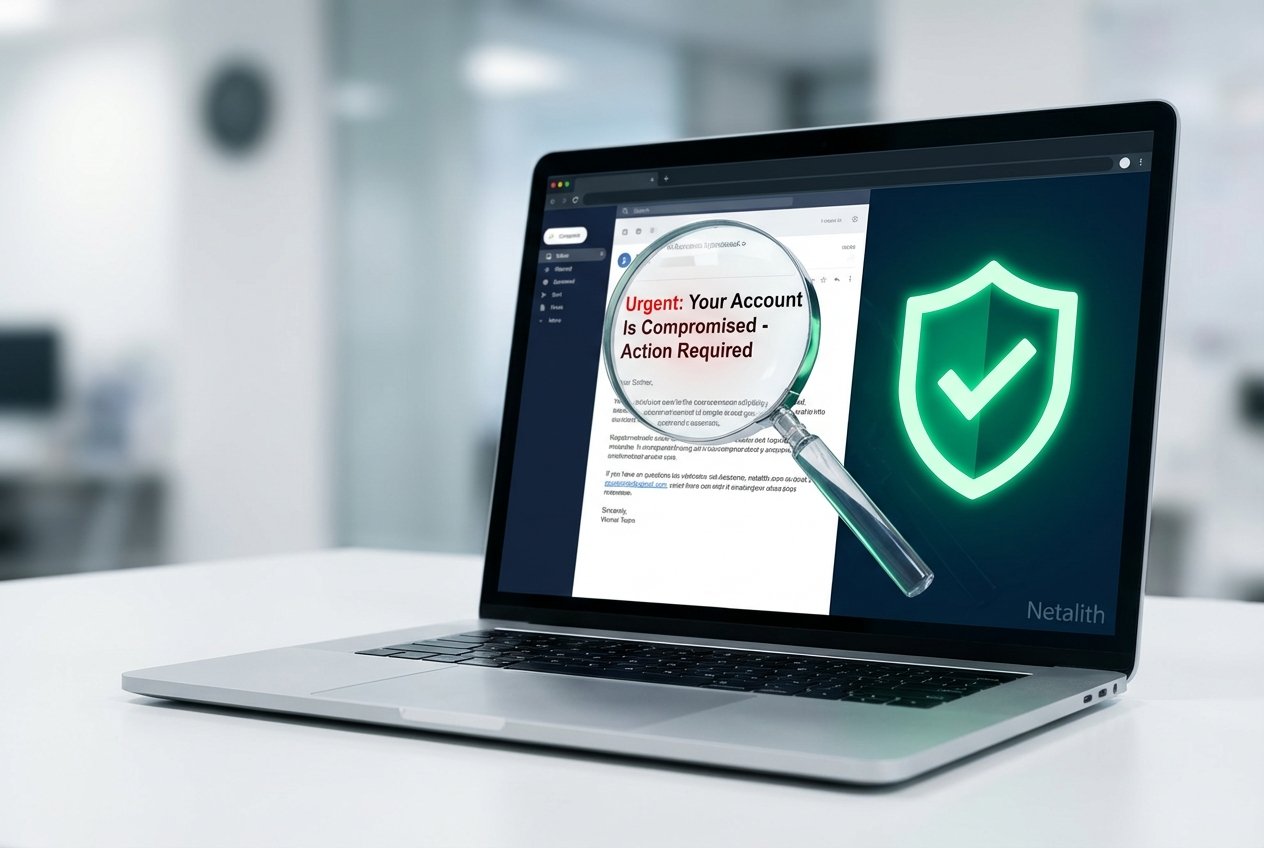
Welcome to the definitive phishing prevention tutorial. As cyber threats rapidly evolve, modern businesses and IT students alike must stay ahead of the curve. Hackers are continually refining their tactics, making a comprehensive email security tutorial for employees absolutely essential for any organization looking to secure its digital assets. This anti-phishing guide is structured to give you actionable, evergreen insights into how threat actors operate today.
Whether you are a small business owner securing cloud infrastructure or an IT beginner, this foundational protecting against email scams tutorial will equip you with the knowledge to recognize, report, and stop malicious campaigns in their tracks.
What is Phishing? A Complete Phishing Prevention Tutorial
At its core, phishing is a deceptive practice where attackers masquerade as trustworthy entities to steal sensitive data, such as login credentials or financial information. An essential component of any effective stopping phishing attacks tutorial is understanding that attackers exploit human trust rather than technical vulnerabilities.
Solid phishing prevention starts with awareness. By recognizing the psychological triggers attackers use—such as urgency, fear, or curiosity—you can proactively defend your network. This section serves as a practical stopping phishing attacks tutorial, ensuring your team knows exactly what to look for. When combined with up-to-date threat intelligence, this framework forms a robust social engineering defense tutorial.
Understanding Social Engineering Basics
Before diving into specific threat vectors, it is crucial to master social engineering basics. Social engineering is the psychological manipulation of people into performing actions or divulging confidential information. By treating this as a definitive guide to preventing social engineering attacks in the office, you can establish clear protocols for how employees handle unexpected requests.
Incorporate these principles into your core employee security training basics:
- Verify identities: Always independently confirm the identity of someone requesting sensitive data.
- Question urgency: Be highly skeptical of messages demanding immediate action or threatening negative consequences.
- Check the source: Inspect sender addresses and URLs carefully before clicking.
Spotting Advanced Threats: AI, Vishing, and Smishing
Modern threat actors are leveraging artificial intelligence and multi-channel attacks. A thorough understanding of vishing and smishing basics (voice phishing and SMS phishing) is now non-negotiable. Attackers frequently send deceptive text messages or make fraudulent phone calls claiming to be from your bank or IT department.
A comprehensive social engineering defense guide must address these mobile and voice threats. Employees should be trained to never provide passwords or multi-factor authentication (MFA) codes over the phone. Additionally, pairing this knowledge with a practical identifying fake websites guide ensures that if an employee does click a link in a malicious text message, they can spot the fraudulent landing page before entering credentials.
Spotting AI-Generated Phishing Emails Tutorial
One of the most significant shifts in the modern threat landscape is the use of artificial intelligence to draft flawless, highly personalized scam messages. This spotting AI-generated phishing emails tutorial is designed to help you catch what traditional spam filters might miss. Because AI eliminates the classic spelling and grammatical errors that once gave away scams, users must look closer.
Look for contextual anomalies: Does the request align with standard company procedures? Is the tone slightly off for the supposed sender? Treating this as your modern spear phishing prevention guide and an advanced protecting against email scams tutorial will help your team detect deepfakes and AI-generated text.
Business Email Compromise Prevention Guide for Beginners
Business Email Compromise (BEC) is a highly targeted attack where cybercriminals spoof or compromise executive email accounts to authorize fraudulent wire transfers. If you are managing financial assets, you need this business email compromise prevention guide for beginners.
Unlike massive, automated spam campaigns, BEC attacks are meticulously researched. As a core lesson in this cyber threat prevention tutorial, organizations should enforce strict verification procedures for all financial transactions, such as requiring verbal confirmation for any wire transfer request. By layering these policies, you enhance your overall spear phishing prevention guide and lock down your business communications.
How to Train Employees to Spot Phishing: A Tutorial
Technology alone cannot stop every threat; your people are your last line of defense. This how to train employees to spot phishing tutorial focuses on creating a culture of security without inducing alert fatigue. An effective security awareness training tutorial should be continuous, engaging, and relevant.
To master employee security training basics, run regular, benign phishing simulations. Reward employees who successfully identify and report the simulated threats rather than punishing those who fall for them. This positive reinforcement transforms your staff from potential liabilities into active security sensors.
Implementing a Report Phishing Button
Training is only effective if employees have a seamless way to act on it. This acts as a brief report phishing button implementation guide. Integrating a dedicated "Report Phishing" button directly into your organization's email client is a game-changer.
This simple technical addition is a cornerstone of any modern email security tutorial for employees. It allows users to forward suspicious emails directly to the IT or security team for analysis with a single click, automating incident response and providing real-time data for your security awareness training tutorial.
Conclusion: Securing Your Business After This Phishing Prevention Tutorial
Congratulations on completing this comprehensive stopping phishing attacks tutorial. By understanding the psychology of threat actors, recognizing AI-driven threats, and empowering your staff, you are building a resilient security culture.
Remember that cybersecurity is not a one-time setup but a continuous journey. Share this stopping phishing attacks tutorial with your team, run regular simulations, and keep your software updated. By adhering to the strategies outlined in this social engineering defense tutorial, you can significantly reduce your organization's risk of a devastating breach.
Frequently Asked Questions
What is the first step in a phishing prevention tutorial?
The very first step in a phishing prevention tutorial is understanding the fundamentals of social engineering. Before implementing software solutions, organizations must teach employees how attackers use psychological triggers like urgency and fear to manipulate them.
How can employees spot AI-generated phishing emails?
Because AI eliminates common spelling and grammar mistakes, employees must look for contextual anomalies and verify any unusual requests through a secondary, trusted communication channel. In summary, a strong phishing prevention tutorial strategy should stay useful long after publication.