Cost of AI-Generated Apps 2026: Pricing vs. Custom Software Development
An in-depth analysis of the Cost of AI-Generated Apps in 2026 versus custom software development, highlighting pricing, scalability, and hybrid solutions.
Drake Nguyen
Founder · System Architect
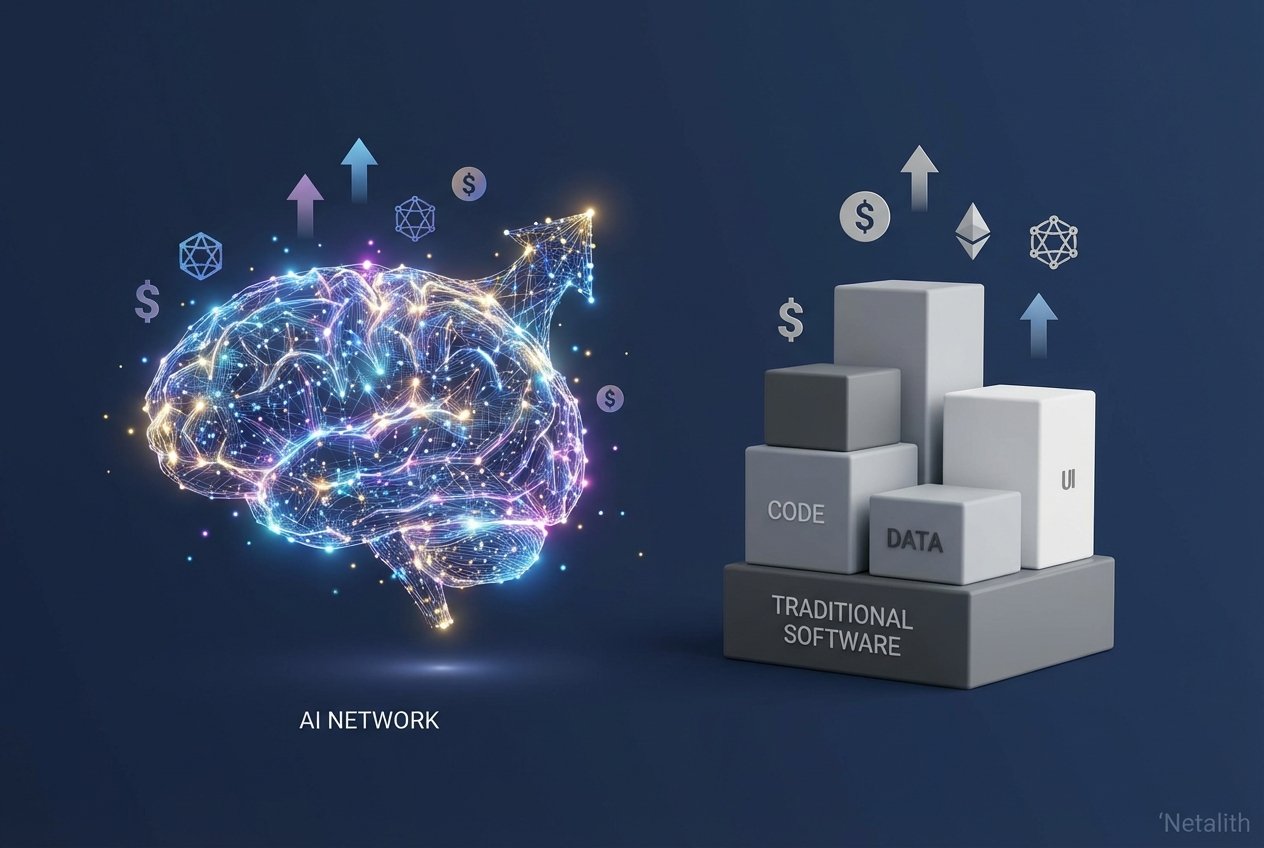
In 2026, the software engineering ecosystem presents startup founders, individual developers, and SaaS entrepreneurs with a critical decision: should you invest in a custom-built platform, or leverage the rapid capabilities of AI app generators? Choosing the right path determines not just your time-to-market, but the survival of your startup's runway.
Understanding the precise Cost of AI-Generated Apps 2026 compared to traditional builds is vital. While AI promises unprecedented speed, custom development guarantees architectural stability. This guide dives deep into the economics of both options and introduces the hybrid model that is reshaping the industry.
The Software Development Landscape in 2026
The tech industry has evolved drastically. Gone are the days when launching a Minimum Viable Product (MVP) required a massive upfront investment as the only viable option. Today, the debate of AI vs traditional software development dominates boardrooms and developer forums alike. AI code generators and no-code platforms powered by large language models (LLMs) have matured, allowing founders to output functional applications in a fraction of the time.
However, commercial expectations have also risen. Users in 2026 demand flawless performance, enterprise-grade security, and seamless integrations. This standard forces founders to look beyond initial launch costs and carefully evaluate the entire software lifecycle.
Breaking Down the Cost of Custom Software Development
Building a robust application from scratch with human engineers remains the gold standard for scalability and intellectual property ownership. But what does the custom software development cost 2026 look like in practice?
Upfront Costs, Agency Fees, and Developer Rates
Hiring a dedicated team or a traditional agency requires significant capital. Depending on the complexity of the platform, building a high-quality MVP through conventional methods typically ranges from $40,000 to over $150,000. These figures account for:
- Detailed UI/UX design and wireframing
- Senior architecture planning and database structuring
- Front-end and back-end human engineering hours
- Rigorous QA testing, compliance, and secure deployment
While the initial financial barrier is high, this route guarantees that your exact business logic is securely hard-coded by professionals who deeply understand your specific market needs.
Long-term Maintenance and Scalability Expenses
The expenses of custom software do not end at launch. It requires ongoing server maintenance, DevOps monitoring, and security patch updates. However, because the code is cleanly structured and thoroughly documented by professional developers, scaling the infrastructure to handle millions of users in 2026 is a predictable, linear cost rather than a sudden architectural crisis.
Breaking Down the Cost of AI-Generated Apps in 2026
On the other side of the spectrum, AI app builders present a tantalizing proposition for bootstrapped founders: dramatically lower upfront costs and lightning-fast deployment.
Platform Subscriptions, Prompting, and API Costs
When calculating the true Cost of AI-Generated Apps 2026, founders must examine the recurring subscription models of premium AI platforms. Typically, these builder platforms charge anywhere from $50 to $1,000 per month depending on compute power, API token usage, and automated hosting requirements. Furthermore, human time is still required for complex prompt engineering to ensure the AI generates the desired features correctly.
The Hidden Costs: Technical Debt and Refactoring
While the initial AI app builders ROI seems phenomenally high on day one, hidden costs inevitably emerge as the application grows. AI generators often produce "spaghetti code"—unoptimized, bloated scripts that function well enough on the surface but break under heavy, concurrent user loads.
"The true cost of a purely AI-generated app isn't the monthly API fee; it is the expensive, inevitable rebuild required when the AI's technical debt crashes your production environment."
Refactoring this generated code often costs as much—if not more—than building it correctly from the start, as human developers must painstakingly untangle the AI's logic to introduce new custom features.
Side-by-Side Comparison: Custom Dev vs. AI Generators
To fully grasp SaaS app development pricing today, let us look at how these two methodologies compare directly:
- Speed to Market: AI wins effortlessly, producing functional prototypes in days compared to the months required for custom development.
- Initial Capital: AI-generated apps require a fraction of the upfront capital compared to hiring an entire custom agency.
- Scalability: Custom development is vastly superior for handling complex relational databases, high web traffic, and unique feature expansions.
- Code Ownership and Security: Custom-built software offers absolute IP ownership and tailored enterprise security, whereas AI platforms may lock you into proprietary ecosystems.
The Hybrid Approach: Why Netalith is the Future of Development
Founders no longer have to choose between going broke on a traditional build or risking their company's future on unscalable AI code. Netalith operates as a premier hybrid software development agency, offering the ultimate middle ground.
By blending state-of-the-art AI generation for boilerplate coding and rapid prototyping with the meticulous oversight of senior human engineers, Netalith delivers enterprise-grade software at unprecedented speeds. This hybrid approach slashes upfront development hours without sacrificing security, architectural integrity, or scalability. You get the rapid time-to-market of AI alongside the robust, clean, and maintainable code of a top-tier custom development team.
Conclusion: Which Option is Right for Your Startup?
If you are simply testing a basic internal tool or validating a micro-concept, a purely AI-generated application might suffice. However, if you are building a commercial SaaS product designed to acquire thousands of paying users in 2026, relying solely on AI is a massive risk. A hybrid model ensures your technical foundation is strong enough to scale while keeping initial deployment costs lean and competitive.
Frequently Asked Questions
How much does it cost to build an AI-generated app in 2026?
In 2026, building an AI-generated app typically incurs lower initial costs, ranging from a few hundred to a few thousand dollars. This covers platform subscriptions, premium API tokens, and specialized prompt engineering. However, founders must budget for long-term scaling and eventual code refactoring.
What are the hidden costs of using AI app generators?
The primary hidden costs include rapid technical debt accumulation, unpredictable API usage fees, potential vendor lock-in, and the high cost of hiring senior developers to fix unscalable, bloated AI-generated code once the user base grows.
Can AI-generated apps scale as well as custom-built software?
Generally, no. While AI apps are excellent for MVPs, they often lack the optimized, secure, and clean architectural foundations required to handle high-volume traffic and complex business logic compared to traditional human-led custom builds.